



What Is Pet Separation Anxiety?
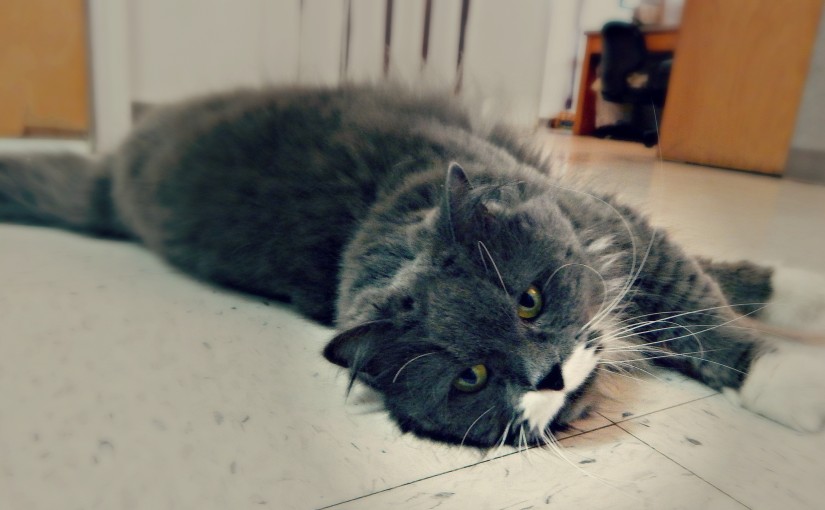
Pet separation anxiety occurs when an animal experiences excessive stress or panic when separated from a primary caregiver or household. This anxiety is not a discipline issue or stubborn behavior. It is a genuine emotional response that can worsen over time if left unaddressed.
Pets experiencing chronic stress may also show flare-ups in other conditions. For example, ongoing stress can worsen itching in allergy-prone pets, see Pets With Allergies, and it can increase sensitivity to discomfort in pets with chronic pain, see Treating Arthritis In Dogs.
Why Some Pets Develop Separation Anxiety
There is rarely a single cause behind pet separation anxiety. Instead, it often develops from a combination of emotional, environmental, and developmental factors.
Common contributing factors include:
-
Sudden changes in routine, such as new work schedules or household members
-
Adoption history, especially pets from shelters or rehoming situations
-
Loss of a companion animal or family member
-
Lack of early independence training during puppy or kitten development
-
Underlying medical conditions that increase stress sensitivity
Veterinary evaluation is important because pain, hormonal imbalances, or neurological conditions can worsen pet anxiety symptoms and must be ruled out. This is one reason routine preventive visits matter, see Regular Wellness Exams for Dogs and Cats.
Common Signs of Pet Separation Anxiety
Recognizing pet anxiety symptoms early allows for more effective intervention. Signs may occur shortly before departure, during absence, or immediately after the caregiver returns.
Behavioral Signs in Dogs
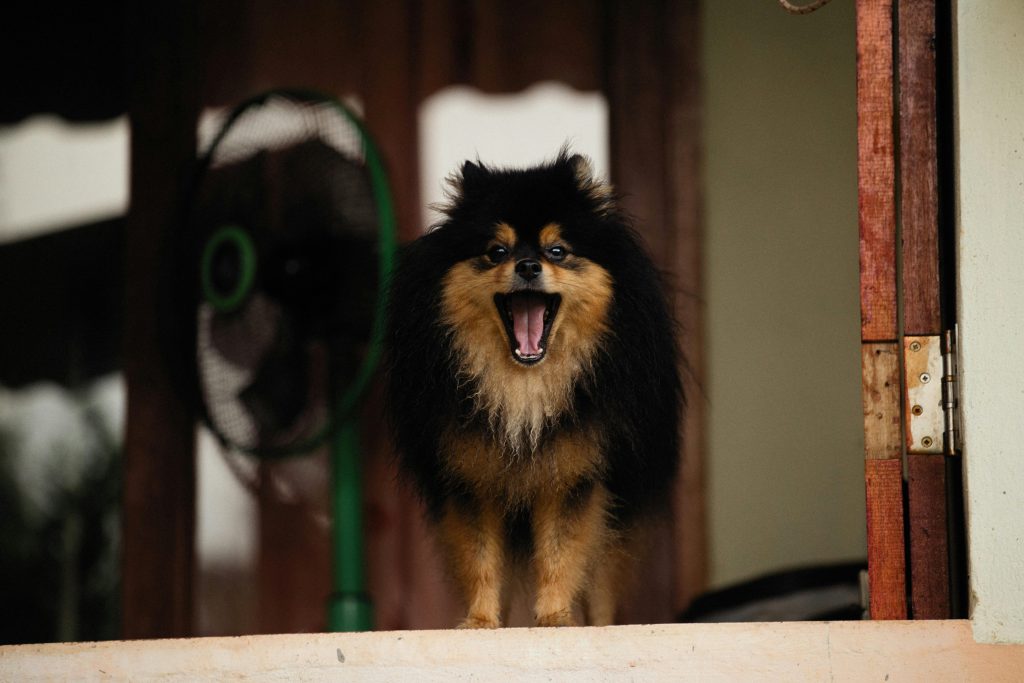
Dog separation anxiety commonly presents with noticeable behaviors such as:
-
Excessive barking, whining, or howling
-
Destructive chewing or scratching near doors and windows
-
Pacing or restlessness
-
Attempts to escape confinement
-
House soiling despite being fully trained
These behaviors can be misread as spite or stubbornness. Sometimes owners also notice stress behaviors that look medical at first glance, such as repetitive licking, which is why it helps to review patterns with a veterinarian, see Why Does My Dog Lick So Much?.
Behavioral Signs in Cats
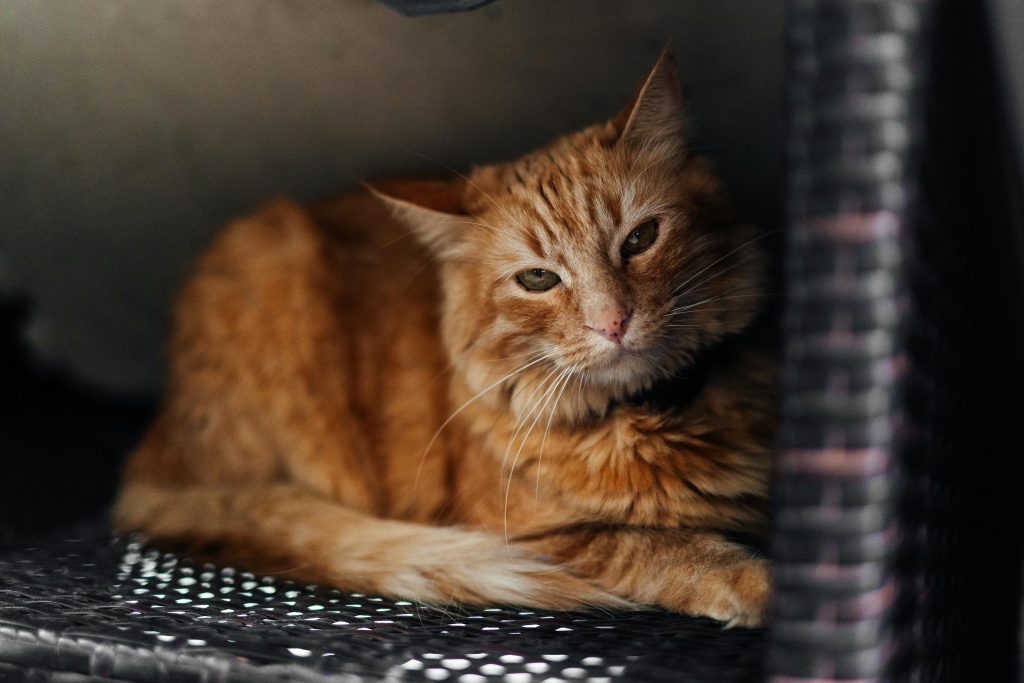
Cat separation anxiety may include:
-
Excessive vocalization when alone
-
Litter box avoidance
-
Overgrooming or hair loss
-
Loss of appetite when owners are away
-
Clingy behavior upon return
Subtle appetite changes can be especially confusing, because stress, nausea, dental discomfort, and food preferences can overlap. If appetite changes are part of the picture, a helpful comparison is What If My Cat’s a Picky Eater?.
How Veterinarians Diagnose Pet Separation Anxiety
A veterinary visit is an essential first step when addressing pet separation anxiety. Veterinarians assess both behavioral history and physical health to ensure symptoms are not caused or worsened by medical conditions.
Diagnostic evaluation may include:
-
Full physical examination
-
Review of daily routines and environmental triggers
-
Discussion of behavior timing and frequency
-
Screening for pain, gastrointestinal issues, or endocrine disorders
If a veterinarian suspects an internal cause for behavior changes, they may recommend baseline lab work. For pet owners who want to understand what those results mean, The Chemistry Panel in Dogs and Cats offers a helpful overview.
Veterinary-Guided Treatment Options
Managing pet separation anxiety typically requires a multi-layered approach rather than a single solution. Treatment plans are individualized based on severity, species, and household dynamics.
Behavior Modification Strategies
Veterinarians often recommend gradual desensitization techniques, including:
-
Short practice departures that slowly increase in duration
-
Neutralizing departure cues such as keys or shoes
-
Teaching calm independence through structured routines
In dogs, daily movement and structured sniffing and exploring can reduce baseline anxiety and improve coping. The mental enrichment value of walks is explained well in You Aren’t Just Walking Your Dog — You’re Stimulating his Mental Health.
Environmental Enrichment
Mental stimulation helps reduce stress and boredom associated with separation. Helpful tools include:
-
Food puzzle toys
-
Safe chew items for dogs
-
Window perches or interactive toys for cats
Enrichment is not limited to dogs and cats. Many enrichment principles used for other species apply here too, see Environmental Enrichment for Birds, and adapt them to a safe, pet-appropriate routine.
Medical Support When Needed
In moderate to severe cases, veterinarians may prescribe anti-anxiety medications as part of a comprehensive plan. Medication does not replace training, but it can help stabilize emotional responses while behavior modification is implemented.
Supporting Emotional Security at Home
Long-term management of pet separation anxiety focuses on building confidence, predictability, and trust. With proper veterinary guidance, many pets show meaningful improvement and regain emotional stability when left alone. Addressing pet separation anxiety early supports a healthier bond and a more peaceful home environment.