





A dog ear infection can start with a little head shaking, then quickly turn into painful inflammation that makes a pet miserable. Because the ear canal is warm and can trap moisture and debris, infections are common, especially in dogs with allergies, floppy ears, or frequent swimming. Early recognition and timely veterinary care help prevent chronic changes to the ear canal and repeated flare ups.
Dog ear infection symptoms to watch for
Canine ear infection symptoms often show up as behavior changes before anything looks dramatic. Common signs include:
-
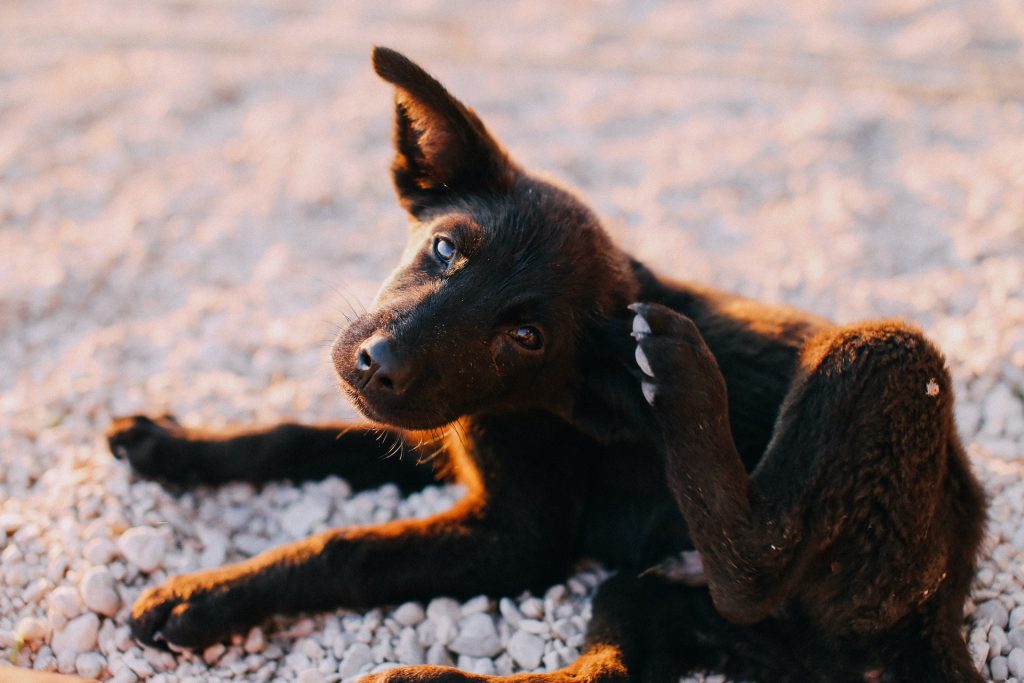
Head shaking or scratching at one ear
-
Redness, swelling, or heat around the ear opening
-
Odor that was not present before
-
Dark waxy debris, yellow discharge, or crusting
-
Sensitivity when the ear is touched
-
Head tilt, balance issues, or eye movements that seem abnormal
If there is a head tilt, stumbling, severe pain, or sudden hearing loss, the infection may involve deeper structures and should be evaluated the same day.
What causes ear infections in dogs?
Most cases have an underlying factor that changes the ear environment, allowing bacteria or yeast to overgrow. Many infections are classified as otitis externa, meaning inflammation of the outer ear canal.
Moisture and trapped debris
After swimming, bathing, or even heavy rain, water can stay in the canal. That moisture softens the skin, disrupts the normal protective barrier, and creates an ideal setting for yeast and bacteria. Dogs with thick hair in the canal or narrow canals can trap debris more easily.
Allergies and skin disease
Seasonal or year-round allergies often cause itchy skin and increased wax production. When a dog scratches, the skin becomes inflamed and more vulnerable to infection. Allergy driven inflammation is one of the most common reasons ear infections keep coming back, even after they seem to clear up.
Parasites, foreign material, and anatomy
Ear mites in dogs are more common in puppies and in multi-pet households, and they can trigger intense itching and dark debris. Foreign material such as grass awns can also irritate the canal and set off sudden symptoms. Some breeds have ear shapes that reduce air flow, which makes it easier for inflammation and infection to persist.
Safe first steps at home
When a dog ear infection is suspected, the safest home care is supportive care while arranging a veterinary visit. Pet owners can:
-
Prevent additional moisture by keeping the ear dry and avoiding swimming.
-
Stop self trauma by using an e-collar if the dog is scratching enough to cause sores.
-
Wipe only the outer ear flap with a soft cloth if there is visible discharge.
What not to do matters just as much. Cotton swabs can push debris deeper and damage the ear canal. Hydrogen peroxide, alcohol, vinegar mixes, and essential oils can worsen irritation and can be risky if the eardrum is not intact. Leftover ear drops from a prior visit may be the wrong medication for the current infection, especially if ear mites in dogs or resistant bacteria are involved.
How veterinarians diagnose and treat ear infections
Because different organisms can cause similar looking discharge, a dog ear infection is best treated after an exam. The care team typically checks the ear canal with an otoscope to look for swelling, foreign material, or a ruptured eardrum. A sample of debris may be examined under the microscope, a test called cytology, to identify yeast, bacteria, and inflammatory cells.
Treatment is tailored to what is found. Many cases of otitis externa respond to prescription ear medications that combine an antimicrobial with an anti-inflammatory medication to reduce pain and swelling. Some dogs also need oral medication if the canal is very swollen, the infection is severe, or if the skin elsewhere is flaring at the same time.
Recheck visits are important. Even when a pet seems better, residual organisms and inflammation can remain. Stopping treatment early is a common reason infections return quickly.
Preventing future ear infections

Prevention focuses on keeping the ear canal healthy and addressing the underlying cause.
-
Have a veterinarian recommend an ear cleaner, and use it only as directed.
-
Dry ears thoroughly after bathing or swimming, using a towel on the outer ear and gentle massage at the base of the ear.
-
Keep hair around the ear opening trimmed so air can circulate.
-
Manage allergies with a long-term plan, which may include diet trials, parasite control, and targeted medications.
-
Schedule prompt rechecks if canine ear infection symptoms return, rather than waiting for a severe flare.
For dogs with frequent recurrences, the veterinary team may recommend culture testing or an allergy workup to reduce repeated courses of medication and ongoing discomfort.
Related reading from All Pets Medical
When an ear problem needs urgent care
A dog ear infection should be treated promptly, but some signs suggest an emergency or a more serious inner-ear problem. Same-day evaluation is recommended if a dog develops a head tilt, loss of balance, vomiting, extreme pain, facial drooping, or symptoms that worsen rapidly. Quick care improves comfort and helps protect hearing, and it also allows the veterinary team to identify the cause and build a prevention plan for the future after a dog ear infection.