


Anal Gland Problems in Dogs: Signs, Causes, and Treatment

Anal gland problems in dogs are a common cause of discomfort around the rear end. Owners may first notice a dog scooting across the floor or licking beneath the tail.

These behaviors may look minor, but they can signal pain or irritation. Some anal gland problems can also lead to infection or an abscess if they become severe.

What Are a Dog’s Anal Glands?

Dogs have two small anal sacs located beside the anus. These sacs hold a strong-smelling fluid.

Normally, pressure during a bowel movement helps release a small amount of this fluid. Problems can develop when the sacs do not empty properly.

Anal gland problems in dogs can include impaction, inflammation, infection, and abscesses. Veterinarians often use the term anal sac disease to describe these conditions.

Signs of Anal Gland Problems in Dogs

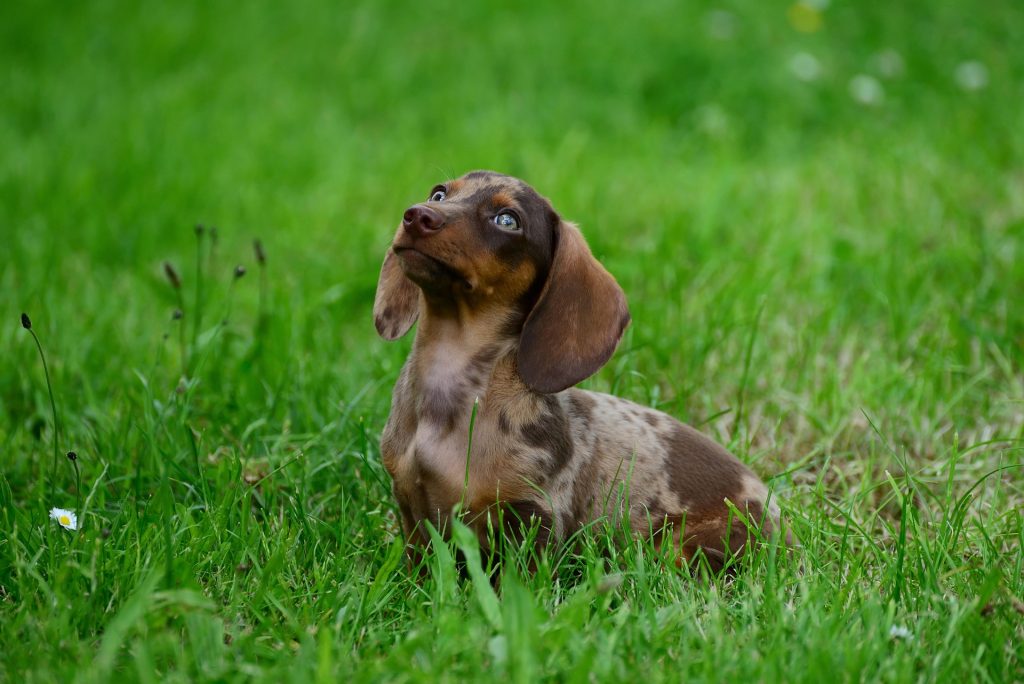
Dog scooting is one of the best-known signs of anal gland discomfort. A dog may drag its rear end across carpet, grass, or another surface.
Anal Gland Problems in Dogs

However, scooting is not the only warning sign.

Owners may also notice:

  • Licking or biting near the rear end
  • A strong or unusual odor
  • Trouble sitting comfortably
  • Pain during bowel movements
  • Straining to pass stool
  • Swelling beside the anus
  • Blood or discharge near the anus
  • Sudden sensitivity around the tail

Dogs with painful impacted anal glands may resist having the area touched. Even a normally gentle dog may react when the area is sore.

What Causes Impacted Anal Glands?

Anal sacs can become impacted when the fluid inside does not empty as it should. The material may become thicker, which can make normal drainage more difficult.

Small dogs develop impaction and inflammation more often than large or giant breeds. However, any dog can develop anal gland problems in dogs.

Changes in stool quality may also affect how well the sacs empty. In some cases, inflammation around the ducts can interfere with drainage.

A veterinarian can help determine whether the problem is simple impaction or something more serious.

Why Dogs Scoot

Although dog scooting often makes owners think about anal glands, several problems can cause irritation around the rear end.

Parasites, skin irritation, allergies, and other conditions may cause similar behavior.

All Pets Medical’s article on signs of parasites in dogs explains other symptoms that may appear with intestinal parasites.

Dogs with itchy skin may also lick or chew several areas of the body. Owners can review why dogs lick so much for more information about common causes of excessive licking.

Because several problems can look alike, repeated scooting deserves a veterinary exam.

When Anal Sac Disease Becomes More Serious

Untreated anal sac disease can sometimes progress from impaction to infection.

An infected anal sac may become swollen and painful. In severe cases, an abscess can form. The abscess may eventually rupture through the skin beside the anus.

Owners may notice redness, swelling, blood, pus, or a small open wound.

These signs require veterinary care. Trying to squeeze a painful or infected gland at home can cause more discomfort and may worsen the problem.

How Veterinarians Treat Anal Gland Problems

Treatment depends on the cause and severity of the condition.

A veterinarian may gently empty impacted anal glands. If the material is too thick, additional treatment may be needed.

Infected or inflamed sacs may require cleaning and medication. Abscesses can need more intensive care. Severe or repeated cases sometimes require additional testing or surgery.

The veterinarian may also look for health problems that could be contributing to repeated episodes.

Owners should follow all home-care instructions and return for rechecks when recommended.

Should Anal Glands Be Expressed Routinely?

Not every dog needs routine anal gland expression. Healthy anal sacs often empty naturally during bowel movements.

Unnecessary or frequent manipulation may irritate the area in some dogs. Owners should ask their veterinarian whether regular expression is appropriate for their individual dog.

Dogs with repeated anal gland problems in dogs may need a more specific care plan. That plan could include changes in diet, stool quality, weight management, or treatment of another health problem.

Regular wellness exams for dogs and cats also give owners a chance to discuss recurring scooting or rear-end discomfort.

Helping Dogs Stay Comfortable

Owners should not ignore repeated dog scooting, constant licking, swelling, or pain around the anus. These signs may point to impacted anal glands or another condition that needs treatment.

Early veterinary care can relieve discomfort and help prevent an infection from getting worse.

Watching a dog’s bowel habits, skin health, and behavior can also help owners notice changes sooner. When anal gland problems in dogs keep returning, a veterinarian can help find the cause and create a safer long-term plan.
High Blood Pressure in Cats: Signs, Risks, and Veterinary Care

High blood pressure in cats can develop without obvious warning signs. A cat may seem healthy while high blood pressure slowly affects important organs.

Veterinarians call this condition feline hypertension. It becomes more common in older cats and in cats with certain health problems. Early testing can help find the condition before serious damage occurs.

What Is High Blood Pressure in Cats?

Blood pressure measures how strongly blood pushes against the walls of the arteries. When that pressure stays too high, it can place stress on the body.

High Blood Pressure in Cats

High blood pressure in cats is often linked to another medical condition. Kidney disease and hyperthyroidism are two common causes. In some cases, veterinarians may not find a clear underlying cause.

Because hypertension can damage several organs, early diagnosis matters. The eyes, brain, kidneys, and heart can all be affected.

Signs of Feline Hypertension

Many cats with feline hypertension show few signs at first. This can make the condition hard for owners to notice at home.

Possible warning signs include:

  • Sudden vision loss
  • Large or uneven pupils
  • Bumping into furniture
  • Confusion
  • Weakness
  • Changes in behavior
  • Seizures
  • Changes in appetite or activity

Eye problems are among the most serious complications. High blood pressure can damage blood vessels inside the eye and may cause retinal problems or sudden blindness.

Owners should seek veterinary care right away if a cat suddenly seems unable to see or develops unusual neurological signs.

Which Cats Are More at Risk?

High blood pressure in cats is more likely in cats with certain medical conditions. Chronic kidney disease and hyperthyroidism are important risk factors.

Older cats also have a greater chance of developing diseases that can affect blood pressure. For that reason, regular monitoring becomes an important part of senior cat health.

Routine wellness exams for dogs and cats give veterinarians a chance to look for changes that owners may not notice at home.

Bloodwork may also provide useful information. All Pets Medical has discussed the value of wellness bloodwork for pets when checking for hidden health concerns.

How Blood Pressure Checks for Cats Work

Blood pressure checks for cats are similar in concept to blood pressure testing in people. A small cuff goes around a leg or the tail.

The veterinary team then uses special equipment to measure the pressure. Most cats can complete the test while awake.

Stress can temporarily increase a cat’s blood pressure. Therefore, the veterinary team may allow the cat time to relax before testing. Calm surroundings and gentle handling can help improve the accuracy of the reading.

Several readings may be taken during the visit. A veterinarian will look at the results along with the cat’s health history and other test findings.

Why Additional Testing May Be Needed

Finding high blood pressure in cats is only one part of the process. The veterinarian may also need to find out why the pressure is high.

Blood tests can help check kidney function and thyroid hormone levels. Urine testing may also provide useful information.

These tests can help uncover a disease that is contributing to the problem. Treating that disease may become part of the overall care plan.

Owners should also mention changes in drinking, urination, appetite, weight, or behavior. Even small changes may help the veterinarian understand what is happening.

How Feline Hypertension Is Managed

Treatment for feline hypertension depends on the cat’s blood pressure and overall health. Medication may be needed to lower the pressure and reduce the risk of organ damage.

The veterinarian will also address any underlying disease when possible.

Follow-up testing is an important part of treatment. Blood pressure can change over time, so the veterinarian may need to adjust the care plan.

Owners should give medication exactly as directed. They should never change the dose or stop treatment without speaking with the veterinary team.

Supporting Senior Cat Health at Home

Good senior cat health involves watching for small changes in daily life. Owners should pay attention to appetite, weight, drinking habits, mobility, vision, and behavior.

Unexpected weight loss can be especially important in older cats. The All Pets Medical article on why a cat may be getting thin explains why weight changes deserve veterinary attention.

Cats should also receive regular exams based on their age and medical needs. These visits give the veterinary team more chances to detect problems early.

Protecting Cats From the Effects of High Blood Pressure

Early detection can make a major difference when managing high blood pressure in cats. The condition may cause few symptoms at first, but untreated hypertension can harm important organs.

Regular veterinary exams, appropriate lab testing, and blood pressure checks for cats can help find problems before severe signs appear.

Owners who notice sudden vision changes, weakness, confusion, seizures, or major behavior changes should contact a veterinarian promptly. With early diagnosis and ongoing care, many cats with hypertension can continue to enjoy a good quality of life.