


Indoor Air Quality and Your Pet’s Health: Keeping Your Home Safe This Winter

As families spend more time indoors during colder months, maintaining good indoor air quality for pets becomes essential. Just like people, pets are sensitive to changes in their environment, and poor air can affect their health, especially in winter, when homes are sealed against the cold and fresh air is limited. Understanding the risks and taking practical steps helps ensure your home is a safe and healthy space for every member of your family.

Why Indoor Air Quality for Pets Matters

Pets breathe the same air as humans, but they often spend more time close to the floor where dust, chemicals, and allergens settle. Their respiratory systems can be just as sensitive, or even more so, than ours. Good indoor air quality for pets supports respiratory health, reduces allergy risks, and can help prevent the worsening of chronic conditions, especially in senior animals or those with asthma.

Because pets can’t leave the house to escape pollutants, it’s up to owners to be proactive about keeping the air inside as clean as possible.

Common Winter Sources of Indoor Air Pollution
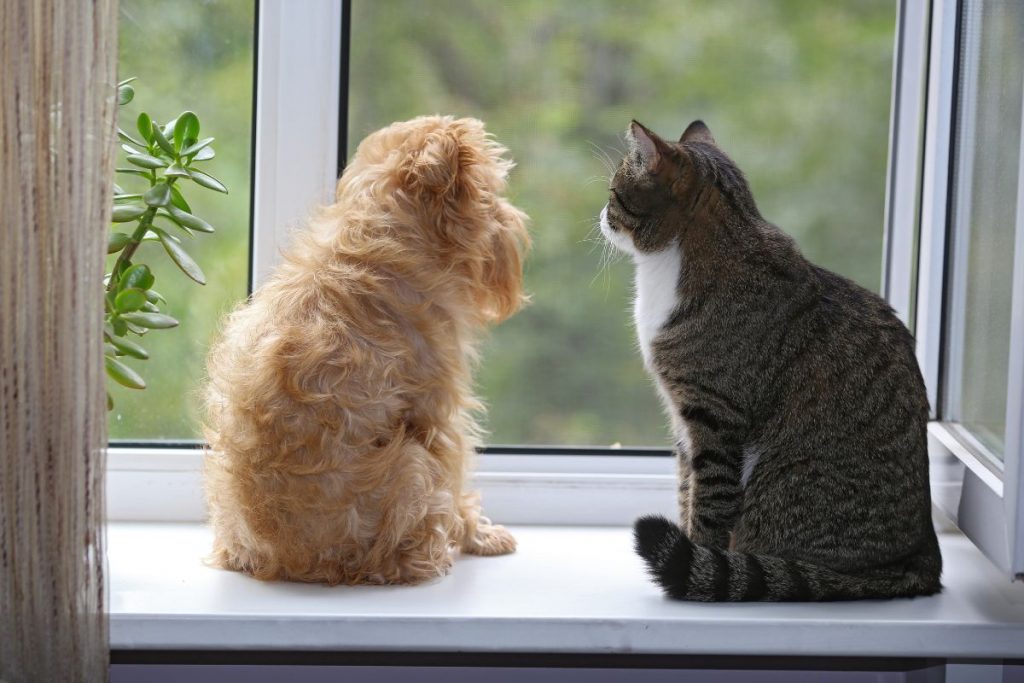
Winter brings several unique challenges that can affect indoor air quality for pets:

  • Heating systems: Furnaces and space heaters can circulate dust, dander, and mold if filters aren’t changed regularly.

  • Fireplaces and candles: Wood smoke, scented candles, and air fresheners release particles and chemicals that irritate pet airways.

  • Closed windows: Less ventilation means airborne contaminants, like cooking fumes, cleaning chemicals, and pet odors.

  • Dry air: Heated air is often dry, which can worsen respiratory symptoms in both pets and people.

  • Cleaning products: Many household cleaners contain chemicals that linger in the air and are harmful to animals.

Being aware of these winter pet health risks is the first step toward prevention.

How Poor Air Quality Impacts Pet Health

Pets exposed to poor air quality may develop a range of symptoms, including:

  • Coughing, sneezing, or nasal discharge

  • Watery or irritated eyes

  • Increased scratching or skin irritation

  • Lethargy or decreased activity

  • Worsening of chronic conditions like asthma or bronchitis

Small pets, birds, and brachycephalic breeds (like Bulldogs or Persian cats) are especially vulnerable to air pollution and pets with pre-existing respiratory issues may experience more severe symptoms. If you notice changes in your pet’s breathing, energy, or comfort, consult your veterinarian promptly.

Simple Steps to Improve Indoor Air Quality for Pets

There are several practical ways to maintain a safe home environment for pets all winter:

  • Change HVAC filters regularly: Use high-quality, pet-friendly filters and replace them according to the manufacturer’s instructions.

  • Ventilate when possible: Open windows for a few minutes daily to bring in fresh air, especially during cleaning or cooking.

  • Use air purifiers: Choose units with HEPA filters to capture allergens and pet dander.

  • Limit candles and scented products: Opt for unscented or pet-safe options, and avoid burning wood or incense indoors.

  • Keep floors and bedding clean: Vacuum with a HEPA filter and wash pet bedding often to reduce dust and allergens.

  • Choose safer cleaning products: Look for non-toxic, pet-safe cleaners to minimize chemical residue in the air.

  • Maintain healthy humidity: Use a humidifier if needed, but clean it regularly to prevent mold growth.

These steps help create a safe home environment for pets and people alike, especially in the winter months.

Creating a Safe Home Environment for Every Season

While winter brings unique air quality challenges, these habits are valuable year-round. Keeping indoor air quality for pets a priority supports better breathing, fewer allergies, and a healthier household for everyone. As you adjust your home for colder weather, review other pet safety tips like avoiding toxic plants, securing medications, and minimizing access to harmful foods. For more guidance, see our articles on Keep Exotic Pet Safe from Household Toxins and Christmas-Specific Poisons for Both Cats and Dogs .


Supporting Your Pet’s Health All Winter Long

Setting Healthy Habits: New Year’s Resolutions for You and Your Pet

The start of a new year is the perfect opportunity to focus on healthy habits for pets and their owners. Just as people set resolutions to improve their well-being, pets benefit from positive changes and routines that support a long, healthy life. By setting simple, achievable pet wellness resolutions, you can boost the quality of life for everyone in your home.

Why Healthy Habits for Pets and People Matter

Daily routines play a big role in health for pets. Consistent care helps prevent illness, strengthens the bond you share, and creates structure your pet can rely on. Developing healthy habits for pets also makes it easier to spot changes in behavior, appetite, or energy that may signal a medical concern.

Wellness routines are about more than physical health. They support emotional well-being, reduce stress, and provide enrichment throughout the year.

Top Pet Wellness Resolutions for the New Year

healthy habits for pets kitten

If you are looking for New Year pet health tips, consider these practical goals for your pet and yourself:

  • Schedule regular veterinary checkups: Annual exams and wellness bloodwork help catch health problems early. For more, see The Importance of Wellness Bloodwork for Pets .

  • Update vaccinations and parasite prevention: Stay current with recommended vaccines and use year-round prevention for fleas, ticks, and heartworm.

  • Focus on nutrition: Feed a balanced diet appropriate for your pet’s age, species, and health needs. Avoid giving too many treats or table scraps.

  • Increase daily exercise: Add an extra walk, play session, or interactive toy to your routine. Exercise supports a healthy weight and reduces anxiety.

  • Practice dental care: Brush your pet’s teeth or provide veterinary-recommended dental chews. Good oral hygiene prevents discomfort and illness. Find more guidance in The Importance of Dental Care for Cats and The Importance of Dental Care for Dogs .

Setting these pet wellness resolutions at the start of the year can create lasting benefits for your whole family.

Building Routines with Pets for Lasting Results

Consistency is the key to building routines with pets. Choose a schedule that fits your lifestyle, and stick to it as closely as possible. Pets thrive on predictability—regular mealtimes, walks, and play help them feel secure.

  • Start small: Make gradual changes rather than trying to overhaul everything at once.

  • Track progress: Use a calendar or app to log exercise, training, or health care tasks.

  • Involve the whole family: Assign responsibilities so everyone participates in pet care.

Over time, these habits become second nature, leading to improved physical and mental health for your pets and yourself.

Supporting Physical and Mental Health at Home

Healthy habits for pets go beyond exercise and diet. Mental stimulation and emotional support are just as important, especially during colder months or after holiday routines shift.

  • Enrichment activities: Rotate toys, introduce food puzzles, or teach new tricks to keep pets engaged.

  • Socialization: Provide positive interactions with other pets and people when possible.

  • Safe spaces: Make sure pets have quiet, comfortable areas to rest and recover from activity or excitement.

Pets of all ages benefit from activities that challenge their minds and allow them to express natural behaviors.

Simple Tips to Keep Your Resolutions on Track

Maintaining New Year pet health routines can be challenging, but small steps make a big impact:

  • Set realistic goals and celebrate progress, not perfection.

  • Adjust your plan as you learn what works best for your pet.

  • Seek advice from your veterinary team if you have questions about diet, exercise, or behavior.

Remember, even minor improvements can lead to healthier, happier pets throughout the year.

Celebrating New Beginnings with Your Pet

The new year is a time for fresh starts and renewed commitment to your pet’s well-being. By setting and maintaining healthy habits for pets, you’re not only supporting their physical health but also building a stronger, more rewarding bond. Every positive change counts, and your pet will appreciate the love and care you bring into every day.