



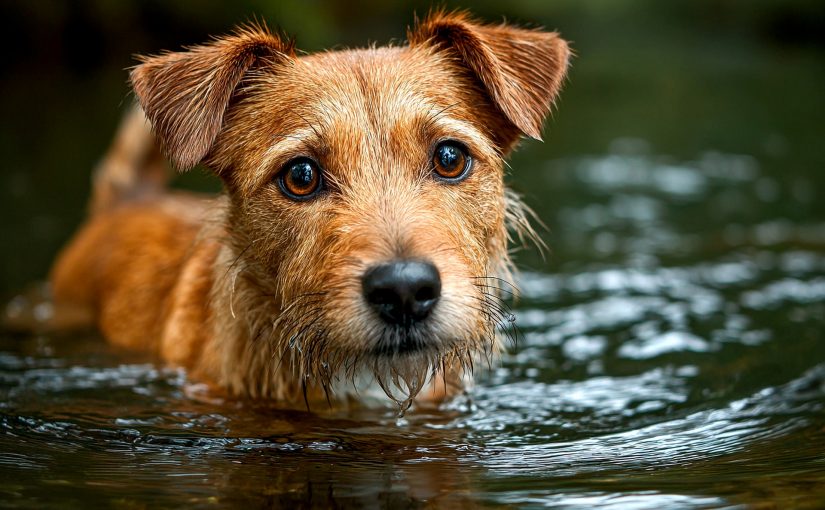
May is a common time for more baths, outdoor play, and water activity, which makes it a useful month to review dog ear infection warning signs. Ear discomfort can progress quickly, and many dogs hide pain until the canal is inflamed, itchy, or infected. Early attention helps protect comfort and may reduce the chance of repeat flare ups.
A dog ear infection often involves the outer ear canal, a condition called otitis externa in dogs. MSD Veterinary Manual lists common signs such as head shaking, odor, redness, swelling, scratching, discharge, and scaly skin. Causes can include allergies, bacteria, yeast, parasites, foreign objects, and ear anatomy.
Why Dog Ear Infection Problems Often Return
A dog ear infection is not always a one time problem. Some dogs are predisposed because of allergies, narrow ear canals, heavy ear flaps, frequent swimming, excess moisture, or underlying skin disease. When the primary cause is not addressed, symptoms may improve briefly and then return.
This is why veterinary diagnosis matters. Merck Veterinary Manual explains that otitis externa diagnosis is based on history, ear examination, and cytology, and that treatment depends on the specific diagnosis. The underlying cause should be addressed to help prevent recurrence.
Signs That Should Not Be Ignored
Owners may first notice head shaking after a bath or a day outside. Other warning signs include scratching at one or both ears, rubbing the head on furniture, a sour or yeasty odor, visible redness, dark debris, yellow discharge, swelling, or sensitivity when the ear is touched.
Some dogs become quieter, avoid chewing on one side, or resist wearing a collar because the ear hurts. A severe dog ear infection may involve intense pain, loss of balance, a head tilt, or changes in hearing. These signs should be treated as urgent, especially if the dog seems disoriented or cannot settle comfortably.
The Role of Moisture, Allergies, and Ear Shape
Moisture can create conditions where yeast and bacteria are more likely to overgrow, especially in dogs with floppy ears or thick hair around the ear opening. Swimming dogs may need extra monitoring because water can remain trapped in the canal after play.
Allergies are another common contributor. Dogs with itchy feet, skin redness, recurrent hot spots, or seasonal scratching may also develop ear inflammation. In these cases, dog ear cleaning alone is unlikely to solve the problem unless the allergy or skin condition is also managed.
Foxtails, grass awns, and other plant material can also irritate the ear canal. VCA notes that grass awns can migrate into the ears, especially during grass awn season.
Safe Prevention Habits at Home
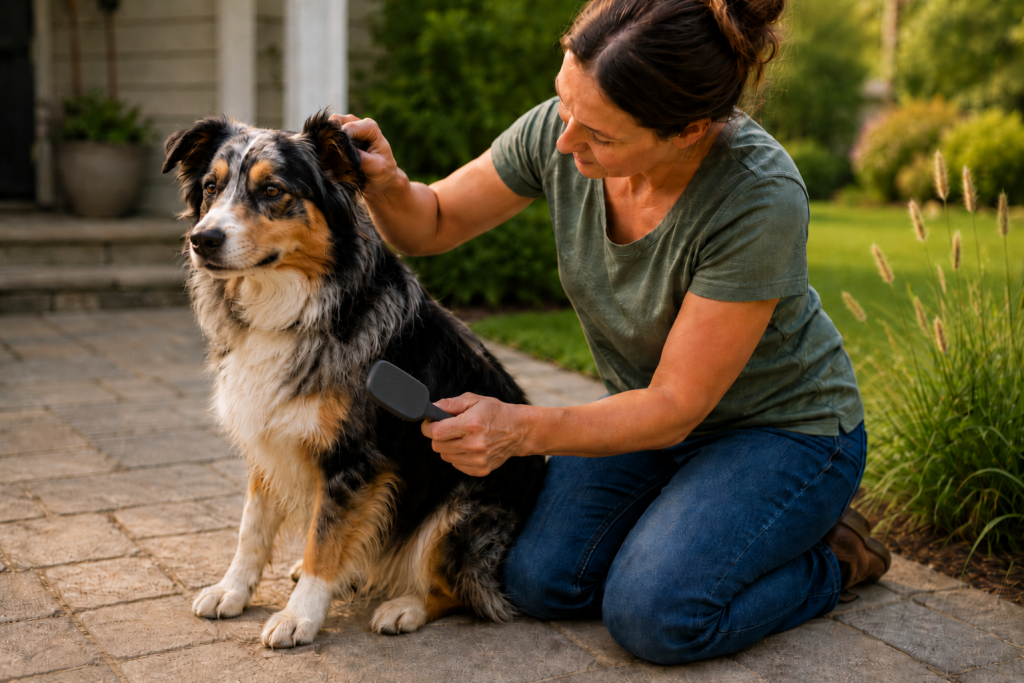
Good prevention starts with observation. Owners should lift the ear flap and look for redness, odor, debris, or discharge after bathing, grooming, swimming, or outdoor play. Healthy ears should not smell foul or cause pain when gently handled.
Dog ear cleaning should be done only with a veterinarian recommended product and technique. Cotton swabs should not be pushed into the canal because they can pack debris deeper or injure sensitive tissue. For swimming dogs, drying the outer ear flap with a soft towel after water exposure can be helpful, but persistent moisture or odor should be evaluated.
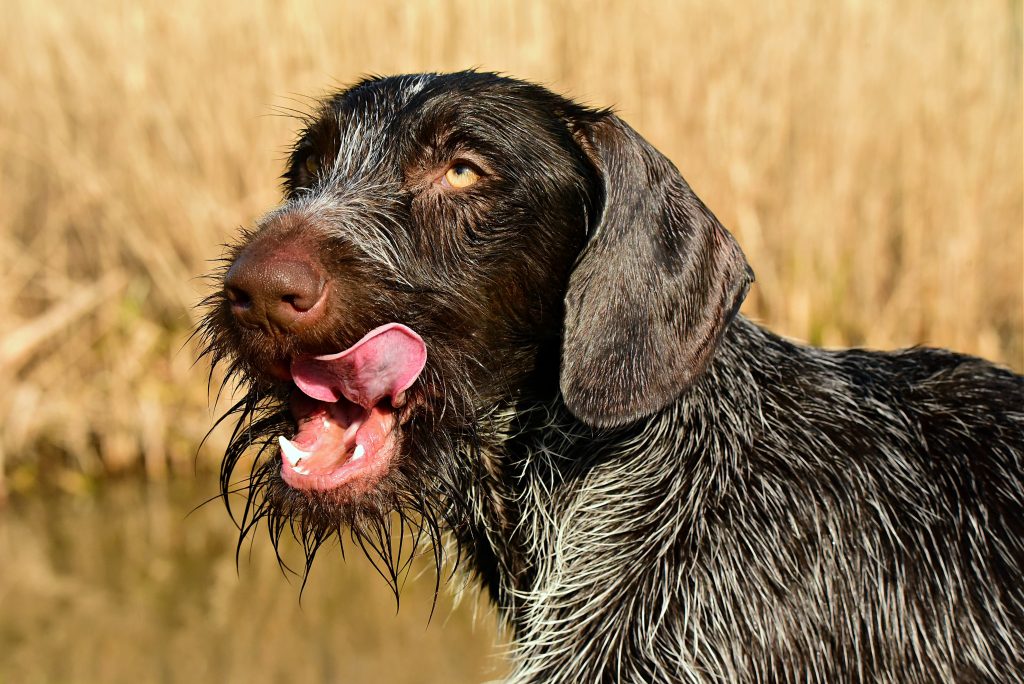
Pets with repeat infections may need a long term plan that includes allergy control, appropriate cleaners, recheck exams, and monitoring for early signs. All Pets Medical can help determine how often cleaning is appropriate because overcleaning can also irritate the ear.
How Veterinarians Diagnose Otitis Externa in Dogs
A veterinary visit for a dog ear infection may include an otoscope exam to look into the canal and a sample of ear debris to check for yeast, bacteria, or mites. Treatment may include medicated ear drops, pain relief, cleaning in the clinic, or additional testing for dogs with chronic symptoms.
Owners should finish medications as prescribed and return for recommended rechecks. Even when the ear looks better, inflammation or infection may remain deeper in the canal. Follow up care helps confirm that the ear is healing and reduces the risk of another painful flare.
Related Reading From All Pets Medical
This article can naturally link to existing All Pets Medical resources on water safety, spring allergies, and grooming care. Suggested internal links include:
Keeping Ear Care Comfortable and Consistent
A dog ear infection is easier to treat when it is caught early. Owners can help by watching for head shaking, odor, redness, discharge, and discomfort after water activity or allergy flare ups. With routine observation, careful dog ear cleaning when recommended, and timely veterinary care, All Pets Medical can help keep dogs comfortable throughout May and the warmer months ahead.