


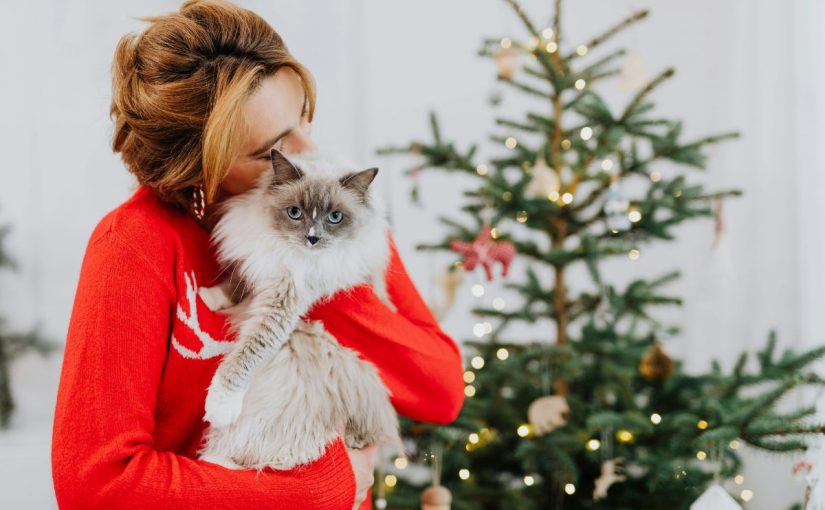
Winter Enrichment: Fun Indoor Activities to Keep Pets Happy During the Holidays

Shorter days and chilly weather can mean more time indoors for families and pets. While some animals enjoy cozying up, others may become restless without their usual outdoor play. Planning indoor activities for pets helps ensure they stay happy, healthy, and mentally stimulated during the winter months.

The Importance of Indoor Activities for Pets in Winter

When cold weather or holiday routines limit outdoor time, pets may experience boredom, anxiety, or a lack of exercise. Winter pet enrichment is important for supporting their physical and mental health. Regular engagement can help prevent unwanted behaviors such as chewing, excessive barking, or scratching.

Keeping pets happy indoors also reduces stress and supports the human-animal bond. The right activities will vary based on your pet’s age, breed, and personality, but all benefit from some form of daily enrichment.

Creative Enrichment for Dogs When It’s Cold Outside

Indoor Activities for Dogs

Dogs need exercise and mental stimulation year-round. Here are some indoor activities for pets that will keep dogs active and engaged:

  • Interactive toys and puzzles: Food-dispensing toys, treat puzzles, and snuffle mats offer mental challenges and satisfy foraging instincts.

  • Hide-and-seek: Hide treats or favorite toys around the house for your dog to find.

  • Indoor training sessions: Teach new tricks or reinforce basic obedience in short, positive sessions.

  • Tug-of-war or fetch in a safe space: Use soft toys in a carpeted area or hallway.

  • Obstacle courses: Arrange furniture and safe household items for your dog to navigate, jump over, or crawl under.

Always supervise play, especially with new toys or in smaller spaces. For more ideas on managing pet stress during winter, you can refer to How to Have Stress-Free Holidays for Your Pets .

Indoor Fun for Cats: Beating Boredom All Season Long

Cats thrive on variety and exploration, even when indoors. Consider these holiday boredom busters for pets of the feline variety:

  • Vertical space: Cat trees, shelves, and window perches let cats climb and observe safely.

  • Interactive play: Use wand toys, laser pointers, or motorized toys for daily playtime.

  • DIY toys: Crumpled paper balls, cardboard boxes, and paper bags offer simple entertainment.

  • Food puzzles: Slow feeders and treat balls keep cats occupied and mentally active.

  • Scent enrichment: Rotate safe objects with different scents (like silver vine or catnip) to encourage curiosity.

Change toys regularly and create new spaces for hiding or climbing to keep your cat interested. For cats prone to anxiety or overstimulation, give them quiet areas to retreat to as needed.

Keeping Small Pets and Exotics Engaged Indoors

Small mammals, birds, and exotic pets also benefit from enrichment tailored to their species:

  • Hamsters, guinea pigs, and rabbits: Offer tunnels, chew toys, foraging activities, and rearrange cage accessories for novelty.

  • Birds: Rotate perches and toys, provide foraging opportunities, and encourage safe out-of-cage exploration.

  • Reptiles: Change enclosure layout, add climbing branches or new hiding spots, and provide opportunities for supervised handling.

Always confirm that toys and enrichment items are safe for your pet’s species. More advice on caring for small mammals can be found in Ways to Keep Your Hamster Healthy and Tips to Care for Your Pet Bunny .

Tips for a Stimulating and Safe Indoor Environment

When planning indoor activities for pets, safety should always come first. Here are some key tips for keeping pets happy indoors all winter:

  • Choose pet-safe toys and avoid items that could be swallowed or cause injury.

  • Rotate activities to keep pets mentally engaged and prevent boredom.

  • Supervise interactions between pets and young children, especially with new games.

  • Maintain a regular feeding and play schedule to give pets structure and comfort.

  • Provide cozy bedding and quiet spaces where pets can relax after active play.

Building Joyful Winter Memories with Your Pets

With a little creativity and planning, winter pet enrichment can turn cold days into opportunities for bonding and fun. Indoor activities for pets offer more than just entertainment. They help support physical health, reduce stress, and strengthen the connection you share. As the holidays approach, make time for play, exploration, and quality moments with your pets, ensuring the season is happy for every member of your family.


Holiday Home Hazards: How to Keep Your Pet Safe from Seasonal Dangers

The holidays are a time of joy, celebration, and togetherness, but they also bring unique challenges for pet owners. Holiday home hazards for pets can easily be overlooked as families decorate, prepare festive meals, and welcome guests. By understanding and addressing these risks, you can ensure that your pets enjoy a safe and happy season right alongside you.

Understanding Holiday Home Hazards for Pets

Pets are naturally curious, and the sights, sounds, and smells of the holidays can encourage exploration. Holiday pet safety begins with recognizing the new and increased dangers that arise during this season. Many common traditions, from decorating to entertaining, introduce objects and foods that can harm animals if precautions are not taken.

It is important to view your home from your pet’s perspective. Anything novel, shiny, or aromatic may attract their attention, so taking steps to limit access and supervise your pets can make a significant difference.

Dangerous Holiday Foods for Pets

One of the most common holiday home hazards for pets involves festive foods. Many ingredients enjoyed by humans can be toxic or cause serious digestive issues in animals. Always keep the following foods away from your pets:

  • Chocolate: Even small amounts are toxic to both dogs and cats.

  • Grapes and raisins: Can cause kidney failure in dogs.

  • Onions, garlic, and chives: Found in many dishes, these can damage red blood cells.

  • Alcohol: Any type of alcohol can be extremely dangerous.

  • Fatty foods and bones: High-fat foods may lead to pancreatitis, and cooked bones can splinter, risking internal injury.

  • Sugar substitutes (xylitol): Common in sugar-free gum and some baked goods, xylitol can cause life-threatening low blood sugar and liver failure.

Remind guests not to feed your pets table scraps, and be sure to secure trash cans and leftovers to prevent accidental ingestion. For a more detailed look at seasonal food hazards, you can refer to our Christmas-Specific Poisons for Both Cats and Dogs article.

Risks from Decorations, Plants, and Gifts

Keep Your Pet Safe Decorations

Holiday decorations and pets do not always mix. Many traditional ornaments, plants, and gifts can become dangerous if chewed, swallowed, or played with.

  • Tinsel, ribbons, and string: If swallowed, these can cause life-threatening intestinal blockages, especially in cats.

  • Glass ornaments: Fragile and easily broken, these can cut mouths and paws or be accidentally swallowed.

  • Electrical cords: Chewing on lights or cords can result in burns or electrocution.

  • Holiday plants: Poinsettias, holly, mistletoe, and lilies are all toxic to pets if ingested.

  • Candles: Open flames present a burn or fire risk, particularly for curious or active pets.

  • Gift wrap and packaging: Some pets will chew or eat wrapping paper, bows, or plastic packaging, which can cause gastrointestinal problems.

Supervise your pets around holiday decorations, keep plants and fragile items out of reach, and secure cords to avoid accidents. More advice on avoiding toxic hazards is available in our Keep Exotic Pet Safe from Household Toxins guide.

Holiday Gatherings and Guest Safety

Keep Your Pet Safe Holiday Gatherings

Family gatherings can be overwhelming for many animals. New people, loud noises, and changes in routine may create stress or anxiety, increasing the risk of escape or accidents. Protect your pets by:

  • Providing a quiet, comfortable retreat away from festivities.

  • Informing guests about house rules for pets, such as keeping doors and gates closed.

  • Reminding visitors not to feed your pets any unfamiliar foods or treats.

  • Watching for signs of stress, such as hiding, trembling, or vocalizing.

If your pet is particularly anxious, try introducing them to small groups of guests at a time, and maintain a familiar daily routine as much as possible. You can find additional tips in our How to Have Stress-Free Holidays for Your Pets article.

Practical Tips for a Pet-Safe Home

To help prevent holiday home hazards for pets, consider these steps:

  • Set up decorations out of reach and avoid using tinsel or glass ornaments if you have curious pets.

  • Keep food and drinks well away from pets at all times, and secure garbage promptly.

  • Place toxic plants in areas inaccessible to animals, or choose pet-safe alternatives.

  • Provide interactive toys and extra attention to help occupy your pets and reduce stress.

  • If traveling or boarding your pet, make arrangements with experienced caregivers and provide familiar items for comfort.

Creating a Safe and Happy Holiday for Every Pet

By being aware of holiday home hazards for pets and taking a few preventive measures, you can help your animals enjoy a safe, stress-free, and joyful season. Pet safety is an important part of holiday planning, and a little preparation goes a long way toward making the festivities enjoyable for everyone in your household.

What You Need to Travel in the U.S. with Your Dog or Cat

What you need to travel in the U.S. with your dog or cat

When traveling with your dog or cat within the United States, there may be animal health requirements specific for that destination. As soon as you determine your travel details, contact your veterinarian at All Pets and we can assist with the pet travel process. The following are what you need to travel in the U.S. with your dog or cat.

Continue reading What You Need to Travel in the U.S. with Your Dog or Cat

Why is Chocolate Toxic to Dogs and Cats?

Why is chocolate toxic to dogs and cats?

The holidays are upon us! Who doesn’t crave a piece of chocolate now and then? Unfortunately, the ingestion of chocolate for pets can have serious side effects for them. We will answer the common question, “Why is chocolate toxic to dogs and cats?”, as well as discuss signs, treatment and prevention options for chocolate poisoning in pets.

Continue reading Why is Chocolate Toxic to Dogs and Cats?

How to Have Stress-Free Holidays for Your Pets

Stress-Free Holidays for Your Pets


Pet owners find great joy including their canine and feline companions in as many holiday celebrations as possible. As we enter the holiday season, it’s time for a reminder of how these holiday activities can be stressful for household pets. Therefore, we have put together a few tips on how to have stress-free holidays for your pets.

Continue reading How to Have Stress-Free Holidays for Your Pets

How to Reduce Stress When Boarding Pets Over the Holidays

Reduce Stress When Boarding Pets


Whether you have a cat, dog or an exotic pet, boarding your pet can be a stressful experience for them. However, there are steps you can take to reduce stress when boarding pets. We will discuss how to identify stress, as well as ways to reduce stress when boarding your pets.

Continue reading How to Reduce Stress When Boarding Pets Over the Holidays

Going on Vacation? All Pets Provides Boarding & Grooming Services!

professional pet boarding & grooming services


It’s understandable to prefer your pet to stay at home while you go on vacation. However, we know this is not always ideal. This is why All Pets Veterinary Medical Center offers professional pet boarding & grooming services, whether you have a cat, dog or an exotic pet! Our trained and caring technicians will monitor your pet’s entire stay to ensure your pet is happy, health and feels right at home!

Continue reading Going on Vacation? All Pets Provides Boarding & Grooming Services!

Ideas for Fun Pet-Friendly Fall Activities

pet-friendly fall activities


Our pets enjoy when the hot summer days begin to cool down just as much as we do. With cooler temperatures, your pet will have more energy for being outdoors and enjoy fun pet-friendly fall activities. Our team here at All Pets has compiled a list of a few of the many fall activities you can enjoy with your pet.

Continue reading Ideas for Fun Pet-Friendly Fall Activities

All Pets Veterinary Medical Center Provides Tips on How to Keep Your Pet Calm This 4th of July Holiday

How to Keep Your Pet Calm this 4th of July Holiday - pets and fireworks


While fireworks, picnics and other Fourth of July traditions can be great fun for people, these festivities can be frightening and even dangerous for animals. Noisy fireworks and other celebrations can startle animals and make them anxious, even causing some to possibly run away. All Pets Veterinary has put together some tips on how to keep your pet calm this 4th of July holiday.

Continue reading All Pets Veterinary Medical Center Provides Tips on How to Keep Your Pet Calm This 4th of July Holiday

How to Maintain Long Pet Hair

yorkshire-terrier-171701_960_720If you have a pet, you know how frustrating hair can be, especially during the winter months where it needs to be kept long to keep your furry friend warm. However, keeping the fur off clothing, furniture and the floor can be a never-ending battle. Here are a few tips to maintaining your pet’s long hair.

Continue reading How to Maintain Long Pet Hair