


Why Annual Fecal Testing for Pets Matters for Dogs and Cats

Annual fecal testing for pets is one of the simplest ways to look for hidden intestinal parasite problems before they become bigger health issues. Even pets that appear healthy can carry worms or protozoal parasites, which is why veterinarians often recommend this test as part of regular preventive care. For dogs and cats alike, this screening supports earlier treatment, cleaner home environments, and better long-term wellness.

How annual fecal testing for pets checks for hidden parasites

A fecal exam for pets looks at a stool sample for evidence of parasites or parasite byproducts. Depending on the method used, a veterinary team may identify roundworms, hookworms, whipworms, coccidia, Giardia, and other organisms that affect the digestive tract. This test can also help guide follow-up care when diarrhea, weight loss, vomiting, or poor body condition are part of the picture.

This matters because intestinal parasites in pets do not always cause obvious symptoms. Some dogs and cats continue eating, playing, and acting normally while still shedding parasite eggs or cysts into the environment. Stool testing helps catch infections that owners would not be able to identify at home. For pet owners who want to learn more about common warning signs, Signs of Parasites in Dogs and Signs of Parasites in Cats are helpful companion resources.

Why testing still matters when pets look healthy

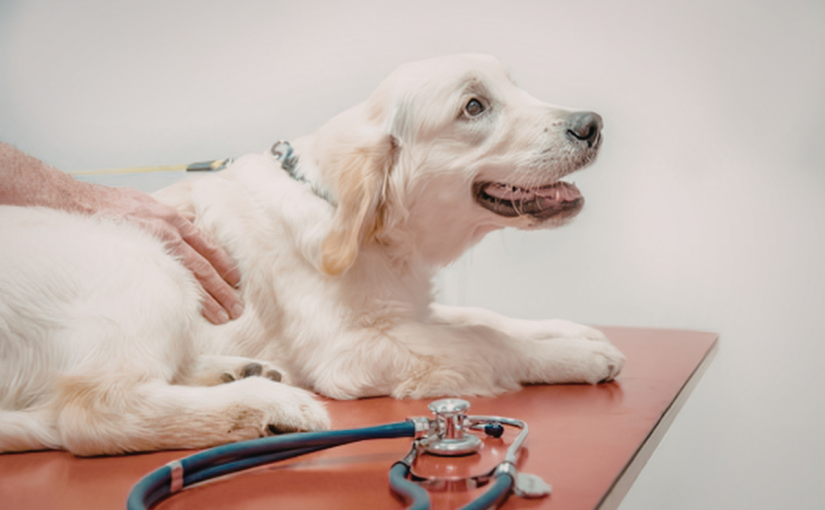
Puppy

Many families assume stool testing is only needed when a pet has diarrhea. In reality, annual fecal testing for pets is valuable because parasite infections can be silent, intermittent, or easy to miss until they become more advanced. Puppies and kittens are especially vulnerable, but healthy adults still benefit from regular monitoring based on lifestyle and exposure risk.

Outdoor access, dog parks, hunting behavior, shared yards, boarding, and contact with wildlife can all increase exposure. Even indoor cats are not completely exempt, especially if they hunt insects or rodents or live with other pets that go outdoors. A routine parasite screening helps veterinarians match prevention plans to a pet’s actual risk instead of relying on assumptions.

How stool testing supports preventive care


Annual fecal testing for pets does more than confirm whether a pet has worms. It also helps a veterinarian evaluate how well a pet’s parasite prevention plan is working and whether additional treatment or environmental cleanup is needed. When testing is paired with year-round parasite prevention, it becomes a stronger defense against reinfection.

This is also important for household health. Some intestinal parasites can spread in environments shared by people and pets, which makes early detection especially valuable. Identifying problems sooner helps families respond quickly and helps reduce contamination in yards, litter boxes, and common pet areas.

How often pets should be tested

The exact schedule should always be tailored by a veterinarian, but many pets benefit from regular stool testing during routine wellness care. Puppies and kittens often need more frequent testing because they are at higher risk early in life. Adult dogs and cats also need monitoring because exposure continues throughout life.

For many patients, this test becomes part of the wellness visit. In some households, especially those with multiple pets, outdoor access, travel, or previous parasite issues, testing may be recommended more often. Routine testing is most useful when it reflects the pet’s age, environment, and medical history. This makes it a natural fit alongside other preventive services, such as those discussed in Regular Wellness Exams for Dogs and Cats and The Importance of Wellness Bloodwork for Pets.

What pet owners can do between tests

Testing is only one part of parasite control. Pet owners can lower risk by giving preventives consistently, cleaning up stool promptly, and reducing contact with contaminated soil or standing water. Good sanitation in litter boxes, yards, kennels, and play areas also helps limit reinfection.

Owners should also watch for signs such as diarrhea, soft stool, scooting, vomiting, weight loss, or changes in appetite. These signs do not always mean parasites are present, but they do justify a veterinary visit and may prompt stool testing sooner than planned. A fecal exam for pets is especially helpful when digestive signs keep returning.

Keeping Preventive Care on Schedule

When included in regular wellness care, annual fecal testing for pets gives veterinarians useful information that supports timely treatment and better parasite prevention choices. It is a small test with an important role in protecting digestive health, household hygiene, and long-term quality of life. For dogs and cats, this kind of screening remains one of the most practical ways to look for problems early and keep preventive care on track.

Kidney Disease in Cats and the Importance of Early Detection

Kidney disease in cats is one of the most common chronic conditions seen in feline patients, particularly as they age. Because symptoms often develop slowly, kidney disease in cats may go unnoticed until significant damage has already occurred. Early recognition and veterinary monitoring are essential for maintaining comfort, hydration, and quality of life. Since routine screening is often what catches kidney changes early, many cat families benefit from guidance like Regular Wellness Exams for Dogs and Cats, which explains why ongoing preventive care matters.

Understanding how feline kidneys function and what warning signs to watch for allows caregivers to seek timely veterinary care and support long-term feline kidney health.

What Is Kidney Disease in Cats?

Kidney disease in cats occurs when the kidneys lose their ability to filter waste products, regulate fluids, and maintain electrolyte balance. The most common form is chronic kidney disease cats develop gradually over months or years.

Acute kidney injury can occur suddenly, and one important preventable cause is toxin exposure. Many common household medications are dangerous for pets, see Toxic Medication For Pets, and even small amounts can trigger serious illness in cats.

Why Cats Are Prone to Kidney Disease

Cats have unique physiology that makes their kidneys particularly vulnerable over time. Several factors contribute to kidney disease in cats, including:

  • Natural aging of kidney tissue

  • Genetic predisposition in certain breeds

  • Dental disease leading to chronic inflammation

  • High blood pressure

  • Past episodes of dehydration or illness

Chronic oral inflammation can be a hidden contributor to systemic stress. Consistent home dental care and professional dental guidance can support overall wellness, see Oral Hygiene for Cats.

Early Signs of Kidney Disease in Cats

Recognizing early changes is critical, as early intervention can slow disease progression. Cat kidney failure symptoms may be subtle at first and are often mistaken for normal aging.

Common early signs include:

  • Increased thirst and urination

  • Gradual weight loss

  • Decreased appetite

  • Lethargy or reduced activity

  • Dull or unkempt coat

Weight loss is one of the most important red flags to take seriously. If a cat is slimming down without a clear reason, the broader differential is discussed in My Cat Getting Thin, and kidney disease in cats is one of the conditions a veterinarian will consider.

How Veterinarians Diagnose Kidney Disease

Veterinary diagnosis of kidney disease in cats involves a combination of physical examination and laboratory testing. Routine wellness visits are often where early abnormalities are first detected.

Diagnostic tools commonly include:

  • Blood tests to evaluate kidney markers

  • Urinalysis to assess concentration and protein loss

  • Blood pressure measurement

  • Imaging when structural concerns are suspected

Owners who want context on why screening tests matter can review The Importance of Wellness Bloodwork for Pets, which connects routine labs with earlier intervention.

Managing Chronic Kidney Disease in Cats

While chronic kidney disease cannot be cured, it can often be managed effectively with proper veterinary care. Treatment goals focus on slowing progression, managing symptoms, and maintaining hydration and nutrition.

Dietary Management

Prescription renal diets are a cornerstone of treatment. These diets support feline kidney health by:

  • Reducing phosphorus levels

  • Providing high-quality, digestible protein

  • Supporting electrolyte balance

Veterinarians guide dietary transitions to support appetite and adequate calorie intake while meeting kidney-friendly nutrition goals.

Hydration Support

Dehydration accelerates kidney damage. Management strategies may include:

  • Encouraging increased water intake

  • Feeding canned or moisture-rich foods

  • Administering subcutaneous fluids when needed

Hydration is beneficial for all pets, but it becomes especially important with kidney disease in cats. General hydration strategies and signs to watch for are reviewed in National Pet Hydration Awareness Month, and a veterinarian can tailor those ideas to an individual cat’s medical needs.

Medication and Monitoring

Depending on disease stage, veterinarians may prescribe medications to control blood pressure, manage nausea, or reduce protein loss in urine. Regular monitoring allows treatment plans to evolve as the disease progresses, and it helps families make informed decisions at each stage.

Supporting Quality of Life Through Compassionate Care

With early detection and ongoing veterinary support, many cats with kidney disease continue to live comfortable and fulfilling lives. Thoughtful management, regular checkups, and attentive home care help preserve dignity and well-being throughout each stage of kidney disease in cats.

Cat Dental Care: Essential Tips for a Healthy Feline Smile

Dental health is often overlooked in cats, yet it plays a major role in their overall well-being. Proper cat dental care helps prevent pain, infection, and systemic diseases that can affect the heart, kidneys, and liver. Understanding how to maintain your cat’s oral hygiene can improve both their quality of life and longevity.

Why Feline Oral Health Matters

Just like humans, cats can develop plaque and tartar buildup on their teeth. If untreated, this can progress to dental disease in cats, a common condition that affects a large percentage of adult felines. Dental disease often begins with gingivitis, which causes red and inflamed gums, and can advance to periodontitis, where infection damages the tissues supporting the teeth.

Poor feline oral health doesn’t just cause bad breath or tooth loss. Bacteria from the mouth can enter the bloodstream, leading to more serious health complications. Regular dental care helps reduce these risks and supports your cat’s overall systemic health.

Signs Your Cat May Have Dental Problems

Cats are experts at hiding discomfort, so early dental issues can go unnoticed. Pet owners should watch for subtle changes such as:

  • Bad breath that persists even after eating

  • Drooling or pawing at the mouth

  • Reluctance to eat dry food or chewing on one side

  • Visible tartar buildup or bleeding gums

  • Behavioral changes like irritability or withdrawal

If any of these signs are present, a veterinary dental evaluation is recommended to assess your cat’s oral condition.

How to Maintain Your Cat’s Teeth at Home

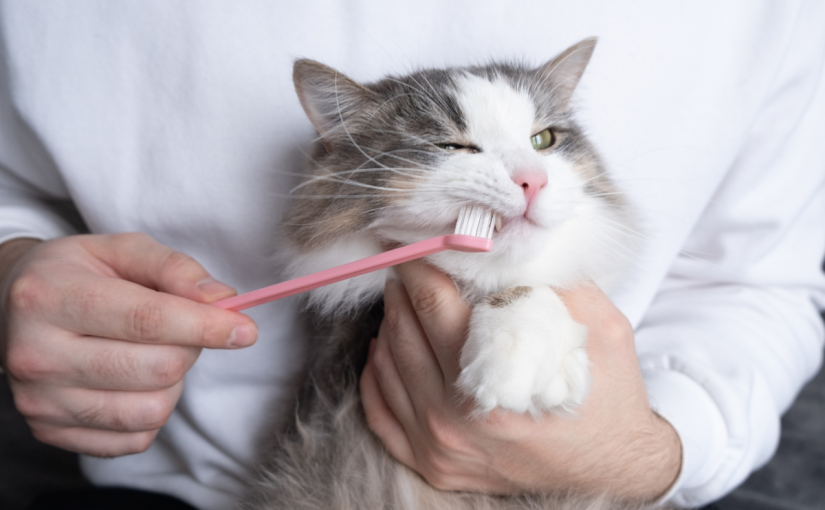
Routine cat teeth cleaning at home is a key part of preventive dental care. While brushing a cat’s teeth may sound challenging, with patience and proper training it can become part of their routine. Use a pet-safe toothbrush and veterinary-approved toothpaste specifically formulated for cats.

In addition to brushing, pet owners can:

  • Offer dental treats or chews designed to reduce plaque

  • Use oral rinses or water additives approved by veterinarians

  • Choose dental diets with a texture that helps mechanically clean teeth

Always consult your veterinarian before starting a new dental product or home care method.

Professional Dental Cleanings and Veterinary Checkups

Even with diligent home care, professional cleanings are essential for optimal cat dental care. Veterinary dental cleanings allow for the removal of plaque and tartar below the gum line where brushing cannot reach. These cleanings are performed under anesthesia to ensure your cat’s comfort and safety.

Your veterinarian will also examine the mouth for signs of infection, loose teeth, or resorptive lesions, a common condition in cats that can be painful and difficult to detect without dental X-rays.

Preventing Dental Disease in Cats

The best way to prevent dental disease in cats is through a combination of professional and home care. Schedule regular dental exams as part of your cat’s wellness visits. Begin home dental care early, ideally when your cat is a kitten, to help them adjust to brushing and handling around the mouth.

Maintaining consistent feline oral health habits can prevent painful dental conditions and keep your cat’s teeth and gums healthy for years to come.

Lifelong Benefits of Good Cat Dental Care

Investing in regular cat dental care not only ensures a healthier mouth but also contributes to a longer, happier life. Cats with clean teeth and healthy gums are more likely to eat comfortably, play actively, and avoid the systemic health issues linked to chronic oral infections.

By prioritizing your cat’s dental health through routine care, professional cleanings, and early intervention, you provide them with the foundation for lifelong wellness and comfort.

The Importance of Dental Care for Dogs: How Oral Health Affects Overall Wellness

Dental Care for dogs

Maintaining good dental care for dogs is a vital part of responsible pet ownership. Just like humans, dogs are prone to plaque, tartar, and gum disease, which can lead to pain, infection, and even damage to other organs. Veterinary studies consistently show that oral health is closely linked to a dog’s overall wellness. When bacteria from the mouth spread through the bloodstream, they can affect the heart, kidneys, and liver, increasing the risk of serious illness.

Dental care should be a lifelong commitment that begins early and continues through every stage of a dog’s life.

How Dental Disease Develops in Dogs

Dental problems in dogs progress through several stages, often beginning unnoticed. After eating, bacteria in the mouth form a sticky layer of plaque on the teeth. If plaque is not brushed away, it hardens into tartar. This buildup irritates the gums, leading to gingivitis, the first stage of periodontal disease. For a detailed overview of how plaque forms and can be managed, see Oral Hygiene for Dogs.

As the condition advances, bacteria move beneath the gumline, destroying tissues and bone that support the teeth. Teeth may loosen, causing discomfort and difficulty eating. The pain often goes unrecognized because dogs instinctively hide weakness, but the damage continues silently.

The Connection Between Oral Health and Systemic Wellness

Healthy gums and teeth play an essential role in protecting a dog’s internal systems. When gum tissues are inflamed, bacteria can enter the bloodstream and circulate through the body. This process can contribute to heart inflammation and valve disease, as explained in National American Heart Month: How to Keep Your Pet’s Heart Healthy. Chronic oral infection can also cause strain on the kidneys and liver, further emphasizing why dog oral health should never be ignored.

By prioritizing oral care, pet owners reduce the likelihood of these systemic problems and help their dogs maintain energy, appetite, and comfort.

Recognizing the Warning Signs of Dental Trouble

Early detection is key to preventing advanced periodontal disease. Pet owners should watch for:

  • Persistent bad breath
  • Red or swollen gums
  • Yellow or brown tartar buildup
  • Dropping food or chewing on one side
  • Pawing at the mouth or excessive drooling
  • Bleeding when chewing toys
  • Reluctance to eat dry food

Any of these symptoms warrant a prompt veterinary examination.

Home Care for a Healthier Mouth

Daily home care plays an important role in effective dental care for dogs. The most reliable method is regular brushing with a soft toothbrush and veterinary-formulated toothpaste. Never use human toothpaste, as it can be toxic to pets.

Dental chews and specialized diets can help reduce plaque accumulation. Look for products approved by the Veterinary Oral Health Council (VOHC). For detailed tips on selecting safe dental chews and brushing routines, visit Dental Health Month: Tips for Keeping Your Dog’s Teeth Clean.

Water additives or oral rinses can also support dog oral health, though they should complement brushing rather than replace it. Owners should also check their dog’s mouth weekly for signs of redness, odor, or buildup to catch issues early.

The Role of Professional Veterinary Dental Care for Dogs

Even with consistent home care, professional evaluations remain essential. A professional dental cleaning performed by a veterinarian includes:

  • A full oral and radiographic examination under anesthesia
  • Scaling and polishing above and below the gumline
  • Extractions of damaged or infected teeth if needed

These cleanings remove hardened tartar that brushing cannot reach and allow for a complete assessment of oral health. Most dogs benefit from annual cleanings, while smaller breeds or those with prior dental disease may require more frequent visits.

Dogs at Higher Risk for Dental Disease

Certain dogs are more susceptible to oral issues. Small breeds such as Chihuahuas, Toy Poodles, and Yorkies often have crowded teeth that trap food and bacteria. Brachycephalic breeds like Bulldogs and Pugs also face increased risk due to their jaw structure. Older dogs naturally experience more wear and tear, making them more vulnerable to gum recession and infection.

Regular dental evaluations tailored to a dog’s risk factors can prevent painful and costly complications later in life.

Long-Term Benefits of Healthy Oral Habits

Consistent dental care for dogs offers clear, measurable benefits. Clean teeth reduce pain and infection, improve chewing comfort, and enhance overall quality of life. Healthy gums lower the risk of systemic disease and may even extend longevity. For more insights on the benefits of preventive care, see Regular Wellness Exams for Dogs and Cats.

Investing in preventive dental care for dogs is one of the most effective ways to ensure lasting wellness and happiness for every canine companion.

Caring for Senior Pets: How Early Detection Improves Longevity and Quality of Life

As pets age, their bodies undergo gradual changes that can affect energy, appetite, and overall health. Senior pets often hide discomfort well, which makes regular monitoring and early detection critical for maintaining both longevity and quality of life. Understanding the subtle signs of aging and scheduling consistent wellness exams can make a significant difference in how well a pet thrives during their senior years. Learn more in our guide to regular wellness exams for dogs and cats.

Recognizing the Signs of Aging

Each pet ages differently depending on breed, size, and genetics. Generally, cats and small dogs are considered seniors around age seven, while larger breeds may reach this stage earlier. Common signs of aging include changes in activity level, weight fluctuations, cloudy eyes, slower mobility, or altered sleep patterns. Owners who notice these changes should discuss them with a veterinarian, since they can indicate early stages of treatable conditions such as arthritis, kidney disease, or diabetes. For joint pain and stiffness, see practical options in Treating Arthritis in Dogs.

The Importance of Early Detection in Senior Pets

Early detection in senior pets allows veterinarians to identify and manage health issues before they become severe. Routine bloodwork, urinalysis, and physical exams help uncover problems that might not yet show visible symptoms. By catching diseases like thyroid imbalance, dental infection, or liver dysfunction early, veterinarians can tailor treatments that improve comfort and extend lifespan. For an overview of screening tests and why they matter, read The Importance of Wellness Bloodwork for Pets.

This proactive approach also helps maintain a pet’s vitality. When conditions are detected in their initial stages, treatment options are often more effective and less invasive. Preventive veterinary care is one of the most valuable investments an owner can make for a senior companion. See how All Pets structures preventive care in Wellness Packages for All Pets.

How Preventive Veterinary Care Supports Longevity

Preventive veterinary care forms the cornerstone of healthy aging. Regular wellness visits, ideally every six months for senior pets, provide opportunities for comprehensive checkups, diagnostic screenings, and lifestyle adjustments. Typical preventive measures may include:

  • Dental cleanings to reduce infection and inflammation
  • Weight management through balanced nutrition and moderate exercise
  • Joint support supplements for mobility
  • Routine vaccinations and parasite control

Oral health is a major part of prevention. For what to expect and why it matters, see Dental Care for All Pets.

Supporting Senior Pets at Home

Caring for aging pets also involves small lifestyle adjustments at home. Soft bedding, easy access to food and water, and slip-resistant flooring can reduce strain on joints. Maintaining a predictable routine minimizes stress, while gentle exercise keeps muscles strong. For seasonal tips that keep older pets moving comfortably, explore September is National Senior Pet Wellness Month.

Owners should also watch for behavioral cues. Increased thirst, changes in litter box habits, or new repetitive behaviors can signal medical issues. If you notice persistent licking or similar changes, start with this focused read, Why Does My Dog Lick So Much?.

Strengthening the Human and Animal Bond Through Compassionate Care

Caring for senior pets requires patience, observation, and compassion. Early detection, supported by preventive veterinary care, extends life and improves comfort, which strengthens the bond between owner and pet. Regular checkups and attentive home care empower pet parents to provide the dignity their senior companions deserve. For broader senior care guidance, see November is Adopt a Senior Pet Month.

The Importance of Dental Care for Cats

dental care for cats

It is estimated that as many as two-thirds of cat owners don’t clean their pet’s teeth. However, proper dental care for is just as important for your cat as it is for the humans in your family. We we will discuss the importance of dental care for cats.

Continue reading The Importance of Dental Care for Cats

The Importance of Dental Care for Dogs

dental care for dogs

Dental health is an essential aspect of your dog’s overall health, and dental problems can cause, or be caused by, other health problems. It’s necessary to have your veterinarian at All Pets check your dog’s teeth and gums at least once a year to examine for early signs of a problem and to keep your pet’s mouth healthy. We we will discuss the importance of dental care for dogs.

Continue reading The Importance of Dental Care for Dogs

The Importance of Wellness Bloodwork for Pets

Wellness bloodwork for pets

Often times, our clients will ask, “Is wellness bloodwork for pets really that necessary?” Bloodwork allows us to learn information about your pet’s health which we can only discover from collecting and analyzing a sample of blood. This includes a CBC (complete blood count) and blood chemistry that analyze chemical components in the blood. We will discuss the importance of well pet bloodwork.

Continue reading The Importance of Wellness Bloodwork for Pets

National Heartworm Awareness Month: Why Does My Dog Need a Heartworm Test?

Why Does My Dog need a Heartworm Test?

April is National Heartworm Awareness Month! Our veterinarians at All Pets often get the question, “Why does my dog need a heartworm test?” The heartworm is a parasite that transmits through mosquitoes and get’s into your pet’s bloodstream. Once there, it can clog the arteries and damage the heart. These health threats can also harm your dog’s lungs. Therefore, the heartworm test is an essential part of any checkup to ensure your dog’s overall health.

Continue reading National Heartworm Awareness Month: Why Does My Dog Need a Heartworm Test?