




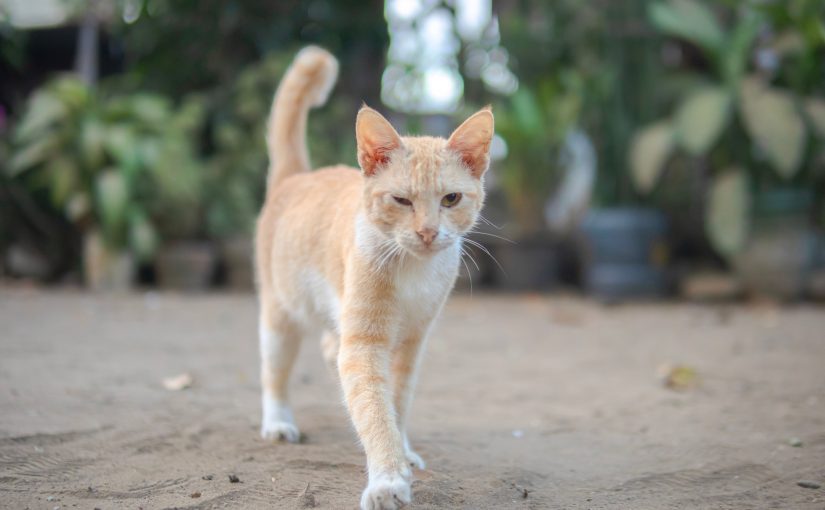
Arthritis in cats can be easy to overlook. Cats often hide pain, and many do not limp even when their joints hurt.
Instead, owners may notice small changes in daily habits. A cat may stop jumping onto a favorite chair or move more slowly on stairs. These changes may seem like normal aging, but they can also point to joint discomfort.
Veterinary care can help identify the cause and support a better quality of life.
What Is Arthritis in Cats?
Arthritis in cats is often linked to degenerative joint disease. This condition causes changes within the joints over time. As the joint becomes less comfortable, normal movement can become painful.
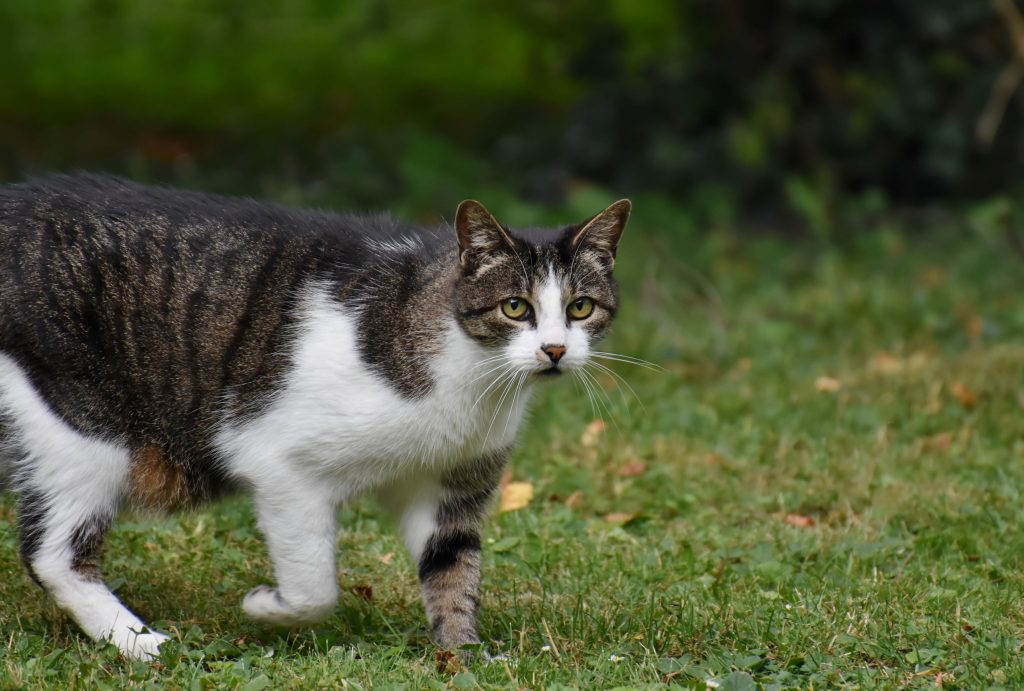
The hips, knees, elbows, shoulders, back, and other joints may be affected. Both younger and older cats can develop joint disease, although signs often become more noticeable with age.
Unlike many dogs, cats with arthritis may not show a clear limp. Instead, they often change the way they move or behave.
Signs of Arthritis in Cats
The signs of arthritis in cats are often subtle. Owners who know their cat’s normal routine may notice changes first.
Possible signs include:
- Jumping less often
- Hesitating before jumping
- Difficulty using stairs
- Moving more slowly
- Sleeping more than usual
- Playing less
- Stiffness after resting
- Hiding more often
- Becoming sensitive to touch
- Grooming less
- Avoiding the litter box
Changes in grooming can be especially important. A cat with joint pain in cats may struggle to reach certain areas of the body.
Some cats may also become irritable when touched or picked up. These behavior changes can be a response to pain rather than a change in personality.
Why Veterinary Exams Matter
Many health problems can cause changes in activity. For that reason, owners should not assume that slowing down is simply part of aging.
A veterinarian can examine the joints and look for signs of pain or reduced movement. Other tests may also be recommended based on the cat’s age, health history, and symptoms.
Routine wellness exams for dogs and cats can help find health concerns before they become harder to manage.
Veterinary care is especially important when a cat suddenly stops jumping, begins hiding, or has trouble getting around.
Making the Home Easier to Navigate
Simple changes around the home can improve senior cat mobility and make daily routines more comfortable.
Food, water, litter boxes, and resting areas should be easy to reach. Cats with sore joints may avoid stairs if they must climb them several times a day.
Pet steps or ramps may help a cat reach a bed, sofa, or other favorite place. A low-entry litter box can also make bathroom trips easier.
Soft bedding gives the cat a comfortable place to rest. Owners can also place rugs or mats on slippery floors to provide better traction.
These changes do not treat the cause of feline arthritis, but they can make movement easier.
Helping Cats Maintain a Healthy Weight
Healthy body weight is an important part of caring for arthritis in cats. Extra weight places more stress on the joints and can make movement harder.
However, owners should never put a cat on a strict diet without veterinary guidance. Cats have specific nutrition needs, and rapid weight loss can be dangerous.
A veterinarian can help determine a healthy target weight and feeding plan. Owners should also watch for unexpected weight loss. All Pets Medical’s article on why a cat may be getting thin explains why unexplained weight changes deserve attention.
Gentle activity may also help some cats stay mobile. Short play sessions can encourage movement without causing too much strain.
Treating Joint Pain Safely
Treatment for feline arthritis depends on the individual cat. A veterinarian may recommend medication, weight management, home changes, or other forms of pain control.
Owners should never give human pain medicine to a cat unless a veterinarian specifically directs them to do so. Common human medications, including some over-the-counter pain relievers, can be dangerous or deadly to cats.
Veterinary treatment should focus on comfort, movement, and quality of life. Regular follow-up visits can also help the veterinarian adjust the care plan as the cat’s needs change.
Supporting Comfortable Movement at Every Age
Recognizing arthritis in cats early can help owners respond before discomfort begins to limit daily life. Small changes in jumping, grooming, activity, or litter box habits should not be ignored.
With veterinary guidance and a comfortable home setup, many cats with joint disease can continue to enjoy their normal routines. Watching for changes in senior cat mobility and seeking care when needed can help protect comfort, independence, and quality of life.