




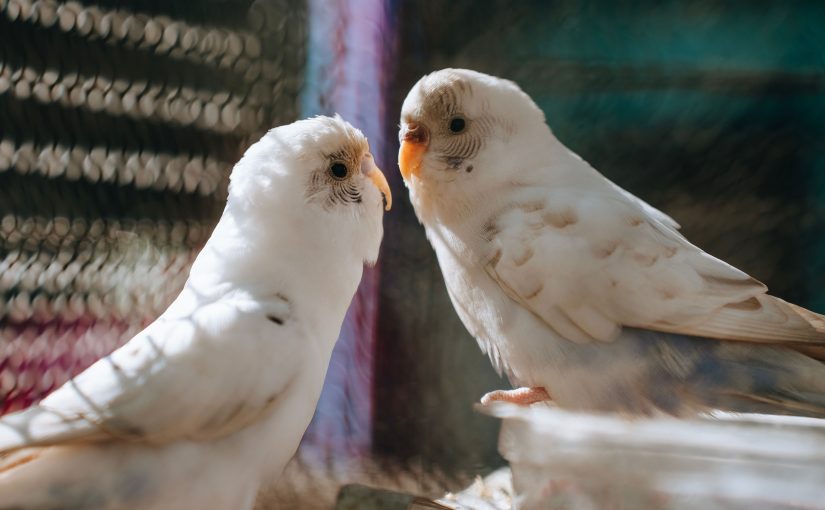
Heat stress in birds can become serious very quickly. Birds often hide signs of illness, so early changes can be easy to miss.
Hot rooms, direct sunlight, poor airflow, and limited access to water can all increase the risk. Owners should pay close attention to breathing, posture, activity, and drinking habits during warm weather.
Recognizing Heat Stress in Birds
One of the clearest signs of heat stress in birds is a change in body position. A bird may hold its wings away from its body to release heat.
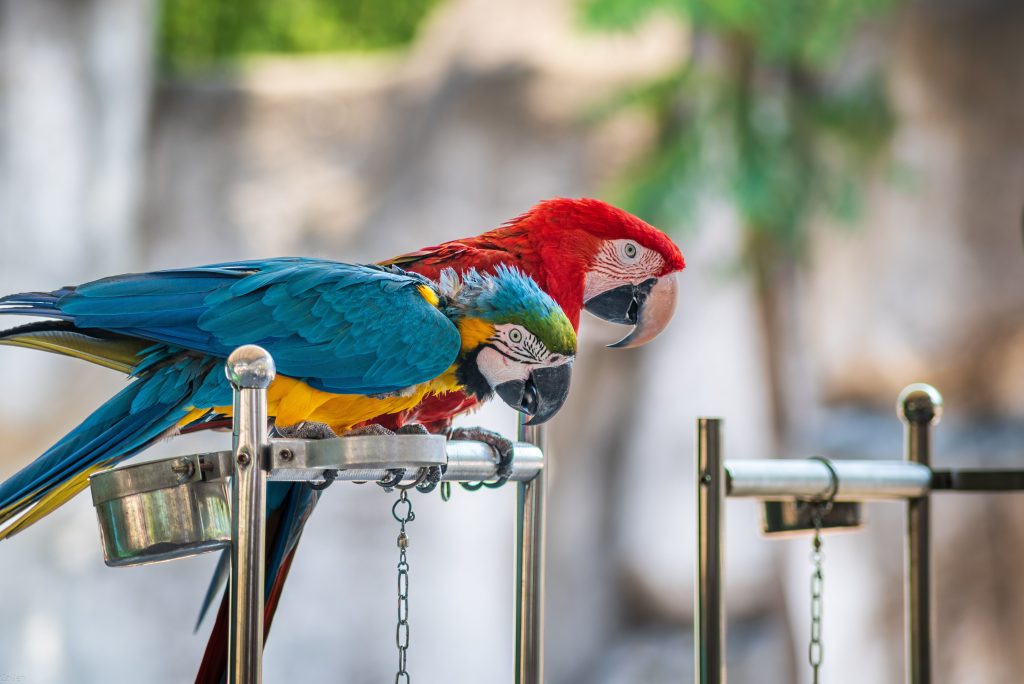
Panting or open-mouth breathing can also occur. These signs mean the bird may be struggling to stay cool.
Other signs of heat stress in birds can include:
- Weakness
- Reduced activity
- Increased drinking
- Trouble staying on a perch
- Unusual posture
- Poor balance
- Heavy or labored breathing
- Collapse
Any breathing change should be taken seriously. Birds can develop breathing problems for many reasons, not just heat.
If a bird remains weak, breathes heavily, cannot perch, or seems confused, veterinary care is needed.
What Causes Bird Overheating?
Heat stress in birds often starts with the environment. A cage near a sunny window can become much warmer than the rest of the room.
Outdoor cages and carriers can also heat up fast. Even a shaded area may become unsafe as the sun moves during the day.
Poor ventilation can make the problem worse. A room may feel comfortable to a person but still be too warm for a bird in direct sunlight.
Outdoor time can provide useful stimulation when it is managed safely. Owners can learn more about creating a healthy environment in All Pets Medical’s article on environmental enrichment for birds.
Birds that spend time outdoors should always have shade and clean water. They should also remain secure and supervised.
Creating a Safer Environment During Hot Weather
Good bird heat safety starts with cage placement. Keep the cage away from strong direct sunlight and other heat sources.
The bird should have room to move into a cooler area when needed. Good airflow is also important, but the bird should not sit directly in a harsh draft.
Fresh water should always be available. Check water dishes often because birds may spill or soil them.
When a bird spends time outside, make sure shade remains available throughout the day. Morning shade may disappear by the afternoon.
Owners should also avoid assuming that tropical birds can handle extreme heat. Every bird has different needs based on species, age, health, and living conditions.
What to Do if a Bird Appears Too Hot
If heat stress in birds is suspected, move the bird away from the heat source right away. Place it in a cooler, well-ventilated area.
Avoid unnecessary handling if the bird is weak or breathing heavily. Extra stress can make breathing more difficult.
Do not use ice or extreme cold to cool the bird. Sudden temperature changes may cause more stress.
Contact a veterinarian if the bird continues to pant or breathe abnormally. Weakness, poor balance, loss of perching ability, or collapse also require prompt care.
Because birds often hide illness, waiting too long can make treatment more difficult.
Supporting Overall Bird Health
Birds with health problems may have a harder time dealing with heat. Respiratory disease, heart disease, obesity, and advanced age can all affect heat tolerance.
Regular veterinary exams can help find problems before they become more serious.
Nutrition also plays an important role in overall health. Owners can learn more in All Pets Medical’s guide to nutrition for pet birds.
Owners should also watch for changes in food intake, water intake, droppings, weight, activity, and behavior. Even small changes can offer useful clues about a bird’s health.
Bird heat safety is only one part of good care. Nutrition, clean housing, exercise, enrichment, air quality, and routine veterinary care all matter.
Keeping Birds Comfortable and Safe
Preventing heat stress in birds starts with a safe environment and close observation. Shade, fresh water, good airflow, and careful cage placement can lower the risk of bird overheating.
Owners should act quickly if they notice panting, wing spreading, weakness, poor balance, or abnormal breathing. These signs of heat stress in birds can become serious if ignored.
All Pets Medical’s experience with exotic pets can help owners address heat concerns, health problems, and preventive care needs. With the right precautions, birds can stay safer and more comfortable during hot weather.