




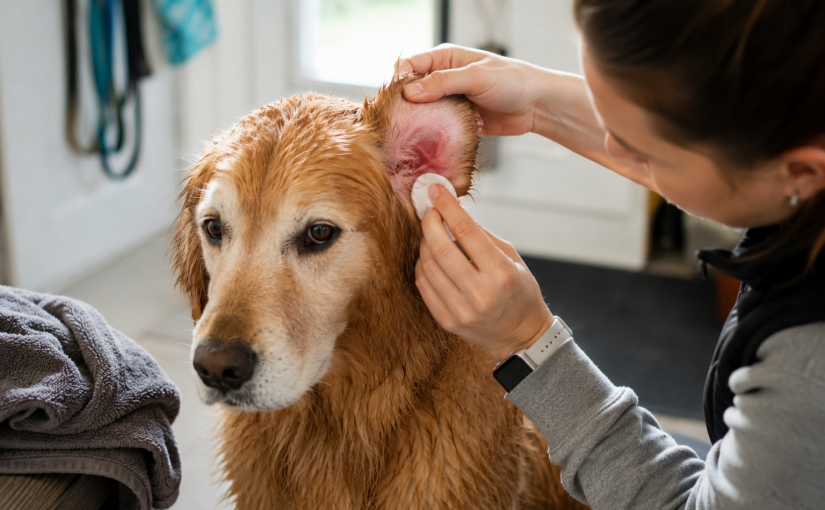
Ear infections in dogs can cause pain, itching, and irritation. Some dogs develop a problem suddenly, while others deal with repeated ear trouble.
Early treatment matters because an irritated ear can become more painful over time. Owners should watch for changes in scratching, head movement, odor, and ear discharge.
A veterinarian can determine what is causing the problem and choose the right treatment.
Common Signs of Ear Infections in Dogs
The signs of ear infections in dogs can vary from mild irritation to obvious pain.
Common symptoms include:
- Frequent head shaking
- Scratching at the ears
- Redness
- Swelling
- Unusual odor
- Ear discharge
- Scaly skin
- Pain when the ear is touched
Some dogs may rub their head against furniture or the floor. Others may become less willing to let someone touch their ears.
These dog ear infection symptoms should not be ignored. Ear infections can become harder to treat when inflammation continues for a long time.
What Causes Ear Infections in Dogs?
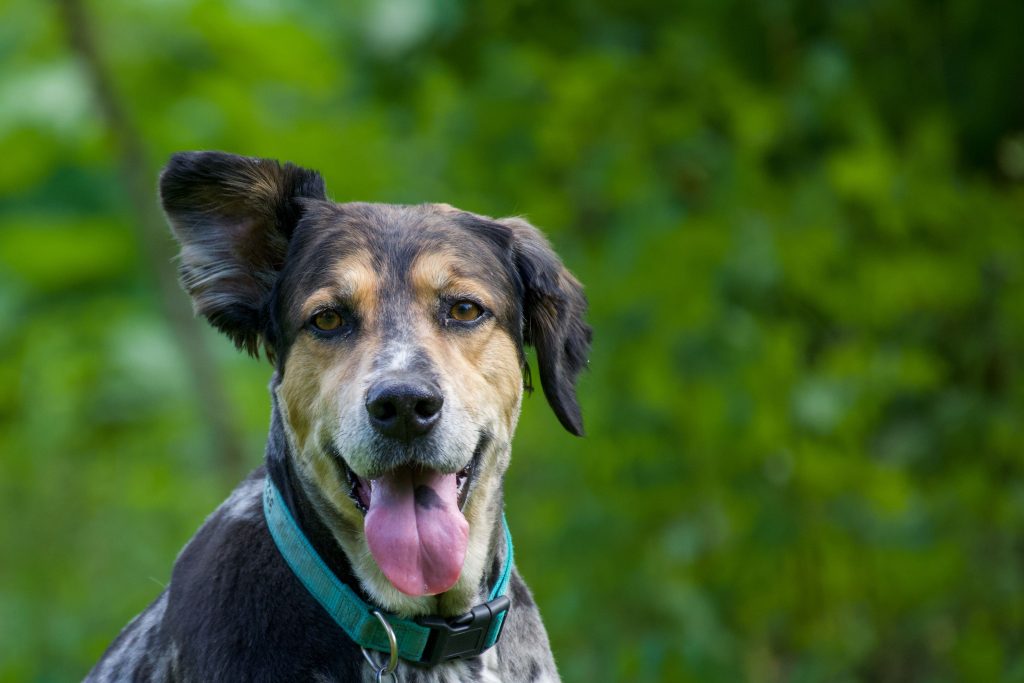
Many different problems can contribute to ear infections in dogs. Bacteria and yeast may grow too much when the normal ear environment changes.
However, infection is not always the original cause. Allergies, ear mites, trapped objects, moisture, and problems deeper in the ear can also lead to inflammation. The shape of a dog’s ears or ear canals may increase the risk as well.
Allergies are especially important in dogs with repeated canine ear problems. Skin and ear irritation often occur together.
Owners can learn more about this connection in All Pets Medical’s guide to allergies in dogs.
Why Some Dogs Get Repeat Ear Problems
A dog that develops one ear infection may never have another. Other dogs experience frequent problems.
Repeated ear infections in dogs often mean there is an underlying cause that still needs attention. Treating only the infection may provide short-term relief without solving the main problem.
For example, a dog with allergies may continue to develop inflamed ears until the allergy is better controlled. Excess moisture can also contribute to ear trouble in some dogs.
Dogs with chronic itching may show other behaviors too. All Pets Medical’s article on why dogs lick so much explains several reasons dogs may lick or scratch their skin.
How Veterinarians Diagnose Ear Problems
A veterinarian will usually examine the ear canal and surrounding skin. An otoscope allows the veterinarian to look deeper into the canal and check the eardrum.
The veterinarian may also collect a sample of ear debris. Examining that sample under a microscope can help identify yeast, bacteria, or parasites.
These steps are important because different causes require different treatments. Using the wrong medication may delay healing or make the problem worse.
A painful or blocked ear may also need more careful cleaning at the veterinary clinic.
Safe Dog Ear Care at Home
Good dog ear care starts with regular observation. Owners can check the outer ear for redness, odor, swelling, or discharge.
Not every dog needs frequent ear cleaning. In fact, too much cleaning can irritate healthy ears.
When a veterinarian recommends cleaning, owners should use the product and method provided by the veterinary team. Harsh homemade mixtures can irritate an already inflamed ear. Some products may also be unsafe if the eardrum is damaged.
Cotton swabs should not be pushed deep into the ear canal. This can move debris farther into the ear or cause injury.
Moisture and Ear Health
Moisture can increase the risk of canine ear problems in some dogs. Swimming and bathing may leave water inside the ear canal.
Dogs with a history of ear trouble may need a specific drying or cleaning routine after getting wet. Owners should ask their veterinarian what is safe for their dog.
Ear shape also matters. Dogs with narrow canals, heavy ear flaps, or extra hair around the ears may have less airflow.
However, owners should not remove ear hair or use drying products without veterinary advice. The right approach depends on the individual dog.
When a Dog Needs Veterinary Care
Owners should contact a veterinarian when they notice persistent scratching, head shaking, odor, redness, swelling, pain, or discharge.
Prompt care can help prevent ear infections in dogs from becoming chronic. It can also help identify allergies or other conditions that may be causing repeat infections.
Healthy ears should not have a strong odor, heavy discharge, or ongoing pain. Paying attention to early dog ear infection symptoms and following a veterinarian’s recommendations for dog ear care can help dogs stay more comfortable and reduce the risk of recurring problems.