



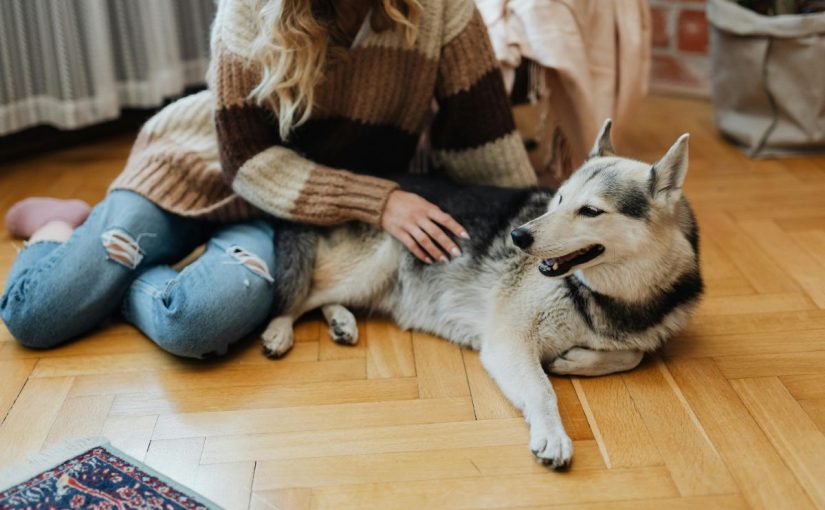
As families spend more time indoors during colder months, maintaining good indoor air quality for pets becomes essential. Just like people, pets are sensitive to changes in their environment, and poor air can affect their health, especially in winter, when homes are sealed against the cold and fresh air is limited. Understanding the risks and taking practical steps helps ensure your home is a safe and healthy space for every member of your family.
Why Indoor Air Quality for Pets Matters
Pets breathe the same air as humans, but they often spend more time close to the floor where dust, chemicals, and allergens settle. Their respiratory systems can be just as sensitive, or even more so, than ours. Good indoor air quality for pets supports respiratory health, reduces allergy risks, and can help prevent the worsening of chronic conditions, especially in senior animals or those with asthma.
Because pets can’t leave the house to escape pollutants, it’s up to owners to be proactive about keeping the air inside as clean as possible.
Common Winter Sources of Indoor Air Pollution
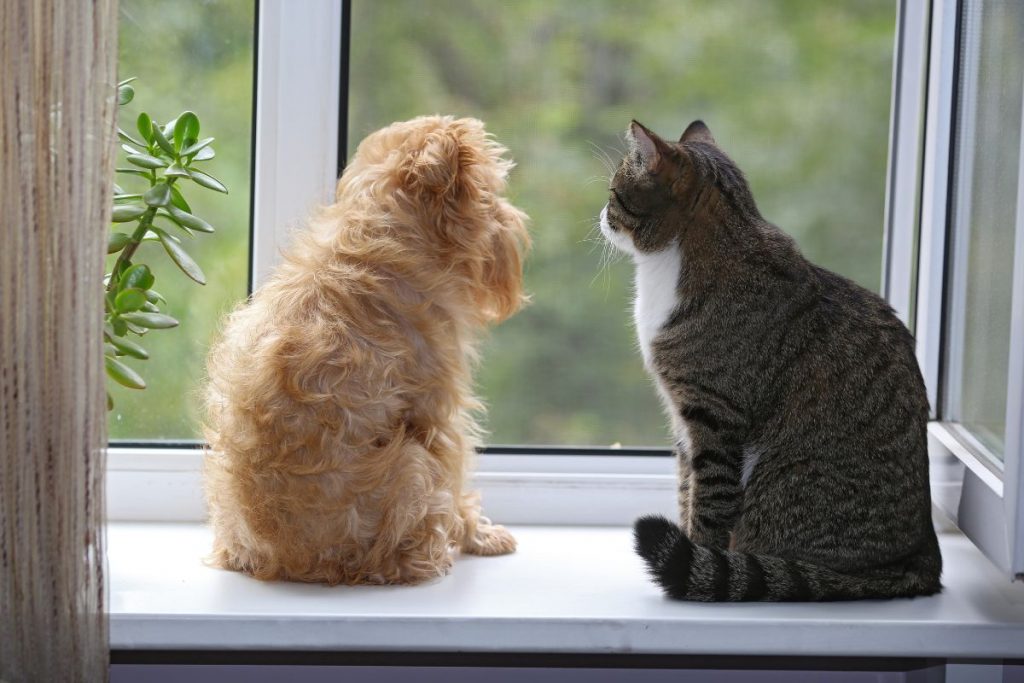
Winter brings several unique challenges that can affect indoor air quality for pets:
-
Heating systems: Furnaces and space heaters can circulate dust, dander, and mold if filters aren’t changed regularly.
-
Fireplaces and candles: Wood smoke, scented candles, and air fresheners release particles and chemicals that irritate pet airways.
-
Closed windows: Less ventilation means airborne contaminants, like cooking fumes, cleaning chemicals, and pet odors.
-
Dry air: Heated air is often dry, which can worsen respiratory symptoms in both pets and people.
-
Cleaning products: Many household cleaners contain chemicals that linger in the air and are harmful to animals.
Being aware of these winter pet health risks is the first step toward prevention.
How Poor Air Quality Impacts Pet Health
Pets exposed to poor air quality may develop a range of symptoms, including:
-
Coughing, sneezing, or nasal discharge
-
Watery or irritated eyes
-
Increased scratching or skin irritation
-
Lethargy or decreased activity
-
Worsening of chronic conditions like asthma or bronchitis
Small pets, birds, and brachycephalic breeds (like Bulldogs or Persian cats) are especially vulnerable to air pollution and pets with pre-existing respiratory issues may experience more severe symptoms. If you notice changes in your pet’s breathing, energy, or comfort, consult your veterinarian promptly.
Simple Steps to Improve Indoor Air Quality for Pets
There are several practical ways to maintain a safe home environment for pets all winter:
-
Change HVAC filters regularly: Use high-quality, pet-friendly filters and replace them according to the manufacturer’s instructions.
-
Ventilate when possible: Open windows for a few minutes daily to bring in fresh air, especially during cleaning or cooking.
-
Use air purifiers: Choose units with HEPA filters to capture allergens and pet dander.
-
Limit candles and scented products: Opt for unscented or pet-safe options, and avoid burning wood or incense indoors.
-
Keep floors and bedding clean: Vacuum with a HEPA filter and wash pet bedding often to reduce dust and allergens.
-
Choose safer cleaning products: Look for non-toxic, pet-safe cleaners to minimize chemical residue in the air.
-
Maintain healthy humidity: Use a humidifier if needed, but clean it regularly to prevent mold growth.
These steps help create a safe home environment for pets and people alike, especially in the winter months.
Creating a Safe Home Environment for Every Season
While winter brings unique air quality challenges, these habits are valuable year-round. Keeping indoor air quality for pets a priority supports better breathing, fewer allergies, and a healthier household for everyone. As you adjust your home for colder weather, review other pet safety tips like avoiding toxic plants, securing medications, and minimizing access to harmful foods. For more guidance, see our articles on Keep Exotic Pet Safe from Household Toxins and Christmas-Specific Poisons for Both Cats and Dogs .