




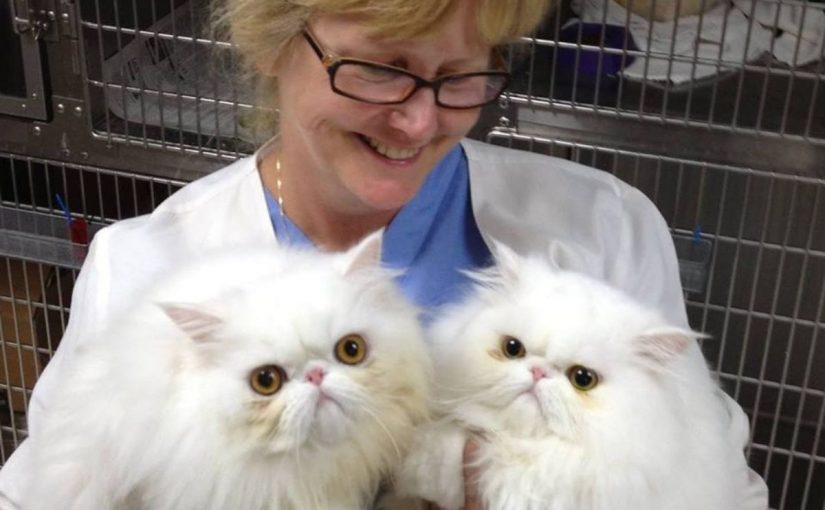
Feline asthma is a chronic inflammatory condition of the lower airways where the bronchial tubes become irritated, narrowed, and full of mucus. Many cats have mild episodes that come and go, so the problem can be mistaken for hairballs or a passing cold. With the right diagnosis and a long-term plan, most cats can live comfortably while keeping flare ups to a minimum.
Feline asthma symptoms that should not be ignored
Cats often crouch low to the ground during an episode, extending the neck and breathing with more effort. Signs that suggest a lower-airway problem include:
-
Repeated coughing that sounds dry, harsh, or like retching
-
Cat wheezing, especially on exhale
-
Faster breathing at rest or open-mouth breathing
-
Decreased activity, hiding, or reduced appetite after coughing fits
-
Blue or gray tinge to the gums or tongue during severe episodes
Because open-mouth breathing is an emergency in cats, any episode with pronounced wheezing, collapse, or bluish gums should be treated as urgent.
Hairball or asthma?
Hairballs tend to be occasional and are often followed by a hairball being produced. In contrast, asthma-related coughing can happen in clusters, may occur without producing anything, and can worsen with certain environments like dusty litter or strong fragrances.
Common asthma triggers in the home
Many cats with feline asthma have sensitive airways that react to irritants and allergens. Reducing asthma triggers can lower how often a cat coughs.
Airborne irritants
Smoke, scented candles, aerosol sprays, diffusers, and strong cleaning products can irritate the airways. Even changes like new carpet, fresh paint, or dusty remodeling can be relevant triggers for a sensitive cat.
Dust and particles
Dusty cat litter, fireplace ash, and powdery grooming products can contribute to cat wheezing. Using low-dust, unscented litter and keeping filters clean in heating and cooling systems can help reduce exposure.
Allergens and other medical factors
Pollens, molds, and household mites can contribute to inflammation. Some cats also have concurrent bronchitis or infections that complicate airway disease, which is why a veterinary evaluation is important rather than treating at home.
How veterinarians diagnose asthma in cats
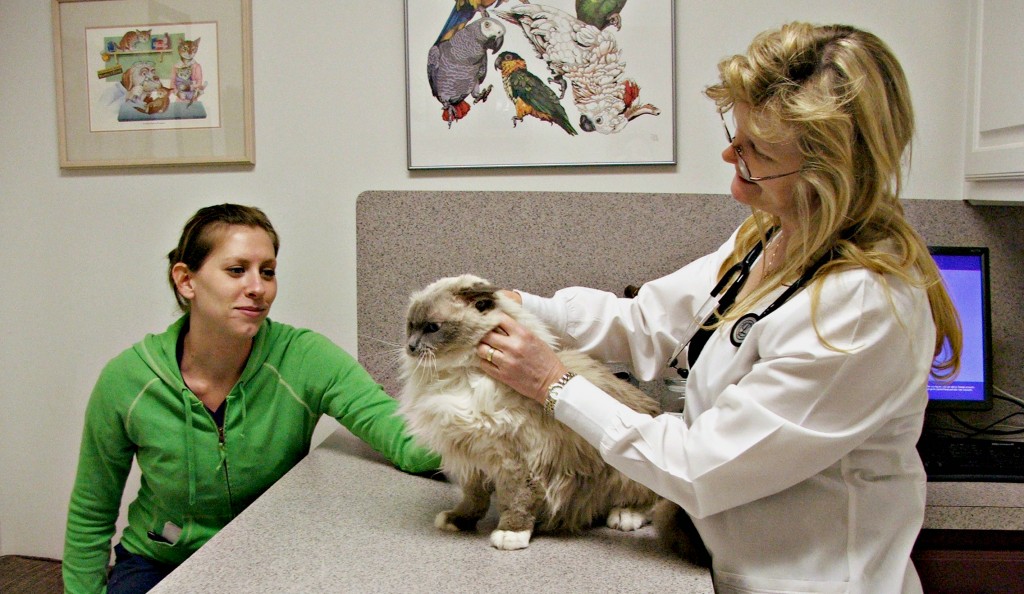
A diagnosis starts with history, listening to the lungs, and evaluating breathing rate and effort. Chest radiographs often show airway changes that support feline asthma, but imaging also helps rule out other causes such as pneumonia, heart disease, or tumors.
Depending on the case, a veterinarian may recommend additional tests, such as:
-
Fecal testing or deworming when parasites are possible
-
Heartworm testing in areas where exposure occurs
-
Bloodwork to look for inflammation and overall health
-
Airway sampling, such as bronchoalveolar lavage, in select patients
Because several conditions can mimic asthma signs, especially in older cats, choosing tests is individualized and based on the cat’s risk factors and stability.
Treatment and long-term management
This condition is managed, not cured, so the goal is to reduce inflammation, open the airways, and limit exposure to irritants. Treatment plans often combine medication and environmental changes.
Anti-inflammatory medication
Corticosteroids are commonly used to reduce airway inflammation. Some cats do well with oral medication at first, then transition to inhaled therapy to reduce whole-body side effects. If signs return after stopping medication, that does not mean failure, it means long-term control needs adjustment.
Bronchodilators and inhaled therapy
Bronchodilators may be used to relax airway muscles during flare ups or as part of a maintenance plan. Many cats can learn to use an inhaler for cats with a spacer and mask, but it should only be started with veterinary guidance so the medication and dose are appropriate.
Environmental control that supports breathing
Alongside medication, reducing triggers can make a real difference.
-
Keep the home smoke-free and avoid aerosols, incense, and heavy fragrances.
-
Choose low-dust litter and scoop frequently to minimize particles.
-
Wash bedding regularly and consider a HEPA filter if dust is an ongoing issue.
-
Maintain a healthy body condition, excess weight can worsen breathing effort.
When asthma becomes an emergency
Even cats with well-controlled asthma can have sudden severe episodes. Emergency care is needed if a cat is breathing with the mouth open, cannot settle, shows exaggerated abdominal effort, or has pale or blue gums. These signs can indicate a critical lack of oxygen, and immediate veterinary stabilization is safer than transport delays at home.
Related reading from All Pets Medical
Helping cats live well with chronic airway disease
A cat with feline asthma benefits from consistent monitoring and a relationship with the veterinary team. Keeping a simple log of coughing episodes, breathing rate at rest, and known triggers helps guide medication adjustments over time. With a tailored plan and early intervention when signs change, feline asthma can often be managed so cats stay active, comfortable, and safe at home.