



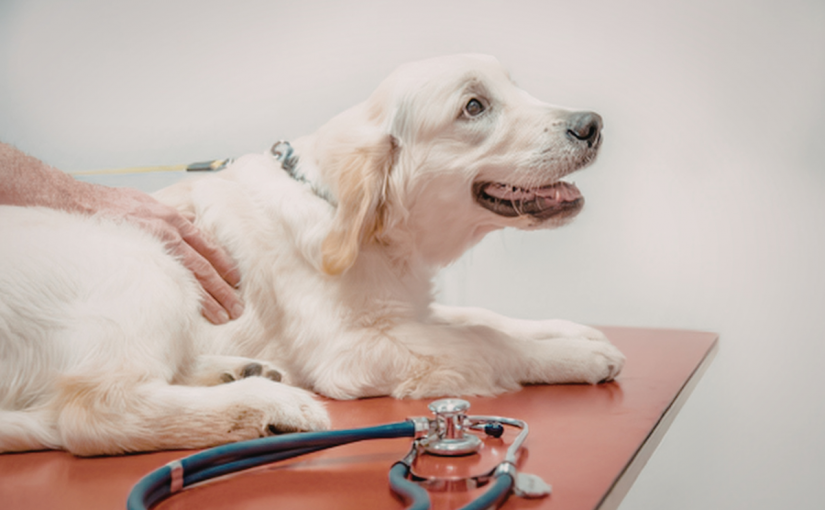
Annual fecal testing for pets is one of the simplest ways to look for hidden intestinal parasite problems before they become bigger health issues. Even pets that appear healthy can carry worms or protozoal parasites, which is why veterinarians often recommend this test as part of regular preventive care. For dogs and cats alike, this screening supports earlier treatment, cleaner home environments, and better long-term wellness.
How annual fecal testing for pets checks for hidden parasites
A fecal exam for pets looks at a stool sample for evidence of parasites or parasite byproducts. Depending on the method used, a veterinary team may identify roundworms, hookworms, whipworms, coccidia, Giardia, and other organisms that affect the digestive tract. This test can also help guide follow-up care when diarrhea, weight loss, vomiting, or poor body condition are part of the picture.
This matters because intestinal parasites in pets do not always cause obvious symptoms. Some dogs and cats continue eating, playing, and acting normally while still shedding parasite eggs or cysts into the environment. Stool testing helps catch infections that owners would not be able to identify at home. For pet owners who want to learn more about common warning signs, Signs of Parasites in Dogs and Signs of Parasites in Cats are helpful companion resources.
Why testing still matters when pets look healthy

Many families assume stool testing is only needed when a pet has diarrhea. In reality, annual fecal testing for pets is valuable because parasite infections can be silent, intermittent, or easy to miss until they become more advanced. Puppies and kittens are especially vulnerable, but healthy adults still benefit from regular monitoring based on lifestyle and exposure risk.
Outdoor access, dog parks, hunting behavior, shared yards, boarding, and contact with wildlife can all increase exposure. Even indoor cats are not completely exempt, especially if they hunt insects or rodents or live with other pets that go outdoors. A routine parasite screening helps veterinarians match prevention plans to a pet’s actual risk instead of relying on assumptions.
How stool testing supports preventive care
Annual fecal testing for pets does more than confirm whether a pet has worms. It also helps a veterinarian evaluate how well a pet’s parasite prevention plan is working and whether additional treatment or environmental cleanup is needed. When testing is paired with year-round parasite prevention, it becomes a stronger defense against reinfection.
This is also important for household health. Some intestinal parasites can spread in environments shared by people and pets, which makes early detection especially valuable. Identifying problems sooner helps families respond quickly and helps reduce contamination in yards, litter boxes, and common pet areas.
How often pets should be tested
The exact schedule should always be tailored by a veterinarian, but many pets benefit from regular stool testing during routine wellness care. Puppies and kittens often need more frequent testing because they are at higher risk early in life. Adult dogs and cats also need monitoring because exposure continues throughout life.
For many patients, this test becomes part of the wellness visit. In some households, especially those with multiple pets, outdoor access, travel, or previous parasite issues, testing may be recommended more often. Routine testing is most useful when it reflects the pet’s age, environment, and medical history. This makes it a natural fit alongside other preventive services, such as those discussed in Regular Wellness Exams for Dogs and Cats and The Importance of Wellness Bloodwork for Pets.
What pet owners can do between tests
Testing is only one part of parasite control. Pet owners can lower risk by giving preventives consistently, cleaning up stool promptly, and reducing contact with contaminated soil or standing water. Good sanitation in litter boxes, yards, kennels, and play areas also helps limit reinfection.
Owners should also watch for signs such as diarrhea, soft stool, scooting, vomiting, weight loss, or changes in appetite. These signs do not always mean parasites are present, but they do justify a veterinary visit and may prompt stool testing sooner than planned. A fecal exam for pets is especially helpful when digestive signs keep returning.
Keeping Preventive Care on Schedule
When included in regular wellness care, annual fecal testing for pets gives veterinarians useful information that supports timely treatment and better parasite prevention choices. It is a small test with an important role in protecting digestive health, household hygiene, and long-term quality of life. For dogs and cats, this kind of screening remains one of the most practical ways to look for problems early and keep preventive care on track.