



Heat Stress in Cats: Warning Signs, Risks, and Prevention

Heat stress in cats happens when the body cannot cool itself well enough. Cats often cope with hot weather by resting, finding shade, or moving to a cooler spot. Even so, they can still become dangerously overheated.

Knowing the early signs can help protect a cat from serious illness. This is especially important during hot Texas summers. High heat and humidity can make it harder for pets to stay cool.

What Causes Heat Stress in Cats?

Heat stress in cats can develop when a cat stays in a hot place for too long. Poor airflow, direct sunlight, high humidity, and physical activity can all raise the risk.

Cats usually try to protect themselves from heat. They may rest more, seek cool floors, or avoid sunny areas. However, these habits may not be enough in a hot car, warm room, or outdoor space with little shade.

Some cats have a harder time handling heat. Flat-faced breeds, such as Persians, may struggle more because of their shorter airways. Older cats, kittens, overweight cats, and cats with heart or breathing problems may also face a higher risk.

Regular wellness exams for dogs and cats can help find health problems that may affect heat tolerance.

Warning Signs of Heat Stress in Cats

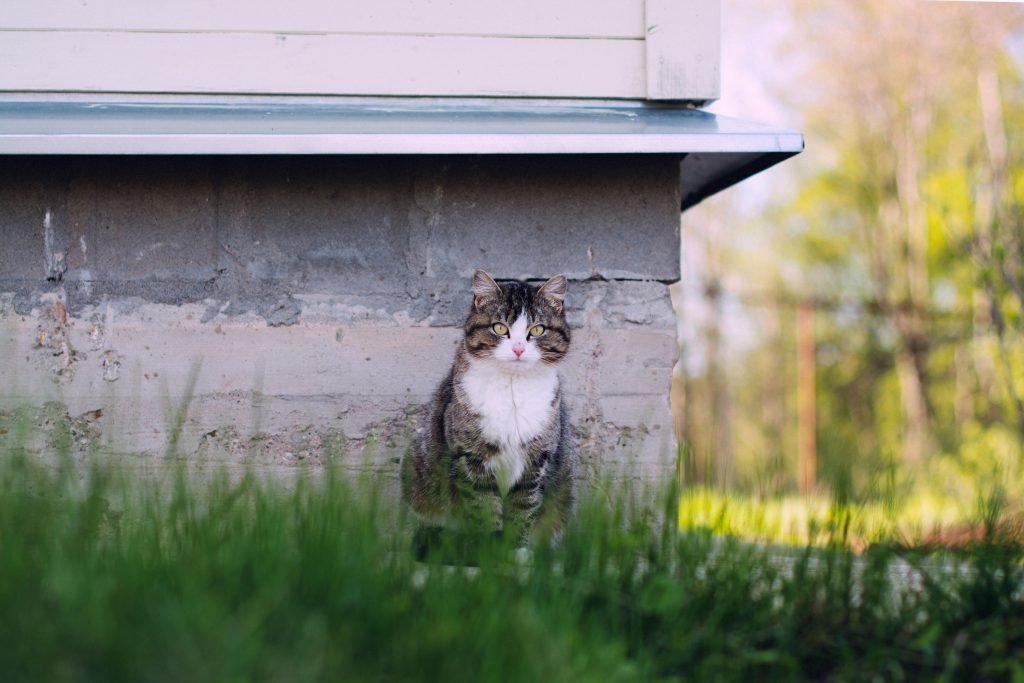
The early signs of heat stress in cats may be easy to miss. Cats do not always pant as quickly or as often as dogs. Instead, they may act quiet, move less, or lie on cool surfaces.
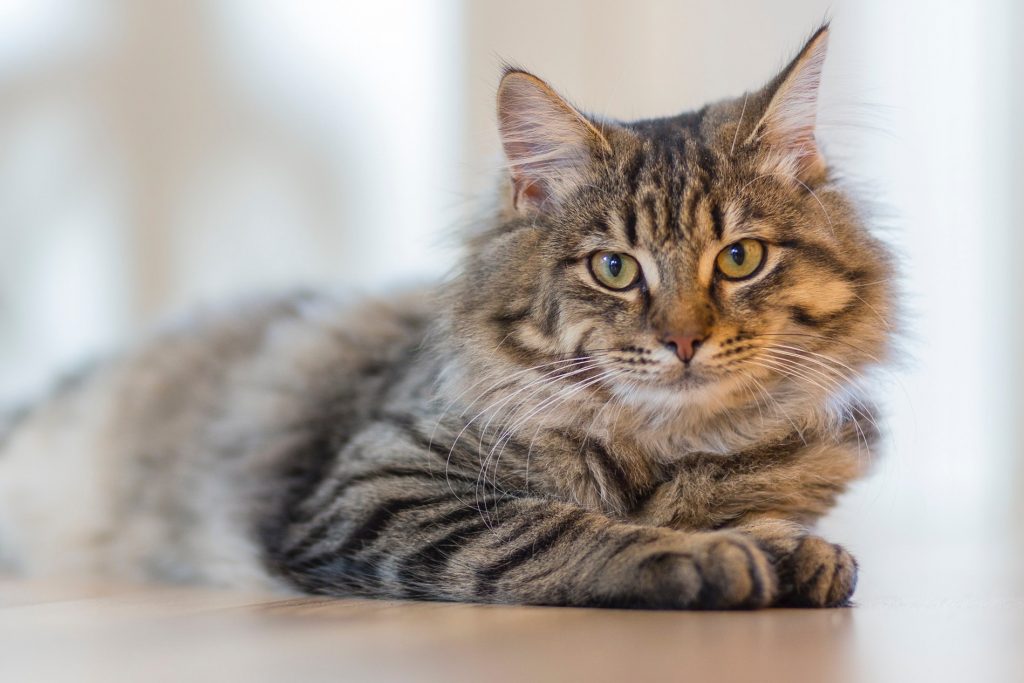
heat stress in cats

Pet owners should watch for signs such as:

  • Open-mouth breathing or panting
  • Restlessness
  • Excessive grooming
  • Drooling
  • Weakness
  • Unusual tiredness
  • Vomiting or diarrhea
  • Poor balance
  • Collapse
  • Seizures

Open-mouth breathing in a cat is a serious warning sign. A cat that seems confused, weak, or unable to stand may already be in danger.

Severe cat heatstroke can affect the brain, heart, digestive system, and other organs. Fast veterinary care can make a major difference.

Why Cat Heatstroke Is an Emergency

A warm cat and an overheated cat are not the same. When body temperature rises too far, normal cooling methods stop working. At that point, organ damage can begin.

Owners should not wait for severe symptoms to improve on their own. Weakness, heavy breathing, confusion, collapse, or seizures require prompt care.

If overheating in cats is suspected, move the cat to a cool and well-ventilated area. Contact a veterinarian right away.

Cool water and moving air may help lower body temperature while veterinary care is arranged. Avoid ice or very cold water. Extreme cold may create other problems and should not replace proper treatment.

Preventing Overheating in Cats at Home

Preventing heat stress in cats starts with a safe environment. Cats should always have access to fresh water and a cool place to rest.

Keep indoor spaces comfortable during hot weather. Close blinds or curtains if strong sunlight heats the room. Fans or air conditioning can also help maintain a safer temperature.

Never leave a cat alone in a parked vehicle. Cars can heat up very quickly, even when the weather does not seem extreme. Cracking a window does not make a parked car safe.

Cats that spend supervised time outdoors need extra care. Good summer cat safety includes shade, water, and easy access to the indoors. It is also best to limit outdoor activity during the hottest part of the day.

Helping Cats Stay Hydrated

Water is an important part of preventing overheating in cats. All Pets Medical has also discussed the importance of pet hydration and why steady access to fresh water matters.

Some cats drink more when several water bowls are available around the home. Others prefer running water from a pet fountain.

Keep water bowls clean and refill them often. Placing water away from litter boxes and food dishes may also encourage some cats to drink more.

Wet food can add moisture to a cat’s diet. However, diet changes should fit the individual cat’s health needs. A veterinarian can help owners choose the best option.

A sudden change in drinking, eating, urination, or activity should not be blamed on hot weather alone. These changes can also point to an illness.

When to Contact All Pets Medical

The best way to manage heat stress in cats is to prevent it whenever possible. Even with good care, heat-related illness can still happen.

Cats with abnormal breathing, severe weakness, vomiting, poor balance, collapse, or seizures need prompt veterinary attention. Early treatment can help reduce the risk of serious complications.

Regular veterinary visits also help identify health conditions that may make hot weather harder to tolerate. With fresh water, cool resting areas, and close attention to warning signs, owners can reduce the risk of cat heatstroke and support better summer cat safety.

Dog Ear Infection Signs Owners Should Recognize Early

May is a common time for more baths, outdoor play, and water activity, which makes it a useful month to review dog ear infection warning signs. Ear discomfort can progress quickly, and many dogs hide pain until the canal is inflamed, itchy, or infected. Early attention helps protect comfort and may reduce the chance of repeat flare ups.

A dog ear infection often involves the outer ear canal, a condition called otitis externa in dogs. MSD Veterinary Manual lists common signs such as head shaking, odor, redness, swelling, scratching, discharge, and scaly skin. Causes can include allergies, bacteria, yeast, parasites, foreign objects, and ear anatomy.

Why Dog Ear Infection Problems Often Return

A dog ear infection is not always a one time problem. Some dogs are predisposed because of allergies, narrow ear canals, heavy ear flaps, frequent swimming, excess moisture, or underlying skin disease. When the primary cause is not addressed, symptoms may improve briefly and then return.

This is why veterinary diagnosis matters. Merck Veterinary Manual explains that otitis externa diagnosis is based on history, ear examination, and cytology, and that treatment depends on the specific diagnosis. The underlying cause should be addressed to help prevent recurrence.

Signs That Should Not Be Ignored

Owners may first notice head shaking after a bath or a day outside. Other warning signs include scratching at one or both ears, rubbing the head on furniture, a sour or yeasty odor, visible redness, dark debris, yellow discharge, swelling, or sensitivity when the ear is touched.

Some dogs become quieter, avoid chewing on one side, or resist wearing a collar because the ear hurts. A severe dog ear infection may involve intense pain, loss of balance, a head tilt, or changes in hearing. These signs should be treated as urgent, especially if the dog seems disoriented or cannot settle comfortably.

The Role of Moisture, Allergies, and Ear Shape

Moisture can create conditions where yeast and bacteria are more likely to overgrow, especially in dogs with floppy ears or thick hair around the ear opening. Swimming dogs may need extra monitoring because water can remain trapped in the canal after play.

Allergies are another common contributor. Dogs with itchy feet, skin redness, recurrent hot spots, or seasonal scratching may also develop ear inflammation. In these cases, dog ear cleaning alone is unlikely to solve the problem unless the allergy or skin condition is also managed.

Foxtails, grass awns, and other plant material can also irritate the ear canal. VCA notes that grass awns can migrate into the ears, especially during grass awn season.

Safe Prevention Habits at Home

Good prevention starts with observation. Owners should lift the ear flap and look for redness, odor, debris, or discharge after bathing, grooming, swimming, or outdoor play. Healthy ears should not smell foul or cause pain when gently handled.

Dog ear cleaning should be done only with a veterinarian recommended product and technique. Cotton swabs should not be pushed into the canal because they can pack debris deeper or injure sensitive tissue. For swimming dogs, drying the outer ear flap with a soft towel after water exposure can be helpful, but persistent moisture or odor should be evaluated.

German wire haired pointer

Pets with repeat infections may need a long term plan that includes allergy control, appropriate cleaners, recheck exams, and monitoring for early signs. All Pets Medical can help determine how often cleaning is appropriate because overcleaning can also irritate the ear.

How Veterinarians Diagnose Otitis Externa in Dogs

A veterinary visit for a dog ear infection may include an otoscope exam to look into the canal and a sample of ear debris to check for yeast, bacteria, or mites. Treatment may include medicated ear drops, pain relief, cleaning in the clinic, or additional testing for dogs with chronic symptoms.

Owners should finish medications as prescribed and return for recommended rechecks. Even when the ear looks better, inflammation or infection may remain deeper in the canal. Follow up care helps confirm that the ear is healing and reduces the risk of another painful flare.

Related Reading From All Pets Medical

This article can naturally link to existing All Pets Medical resources on water safety, spring allergies, and grooming care. Suggested internal links include:

Keeping Ear Care Comfortable and Consistent

A dog ear infection is easier to treat when it is caught early. Owners can help by watching for head shaking, odor, redness, discharge, and discomfort after water activity or allergy flare ups. With routine observation, careful dog ear cleaning when recommended, and timely veterinary care, All Pets Medical can help keep dogs comfortable throughout May and the warmer months ahead.

Grass Awns in Pets: What Owners Should Watch For

May often brings longer walks, greener yards, and more outdoor play. It can also bring grass awns in pets, especially when dogs or outdoor cats move through tall, dry, or seeding grasses. These tiny plant parts may look harmless, but their pointed shape allows them to cling to fur, slip between toes, and sometimes work into the skin, ears, nose, or mouth.

Foxtails are one common type of grass awn. Veterinary sources note that foxtails can enter the body, migrate through tissues, and contribute to infection or abscess formation when they are not removed. The most reliable prevention is limiting exposure to areas where these seed heads grow.

Why Grass Awns in Pets Need Prompt Attention

Grass awns in pets are concerning because they usually do not fall out easily once they become embedded. Their barbed structure tends to move forward through fur or tissue rather than backing out. This is why a small limp, head shake, sneeze, or irritated spot can become more serious if the awn is hidden.

Common problem areas include the paws, ears, nose, eyes, armpits, groin, and under the collar. Dogs that run through fields, brush, roadsides, or untrimmed yards may be at greater risk. Outdoor cats can also pick up awns while hunting, hiding, or walking through tall grass.

Signs Owners May Notice at Home

The signs of grass awns in pets depend on where the awn has lodged. A dog with an awn between the toes may limp, lick one paw repeatedly, or develop swelling. This type of pet paw irritation should not be dismissed as a simple scratch if it appears suddenly after outdoor activity.

An awn in the ear may cause head shaking, ear scratching, crying when the ear is touched, or a head tilt. An awn in the nose may cause repeated sneezing, pawing at the face, or nasal discharge. If the eye is involved, owners may see squinting, tearing, redness, or rubbing.

Brushing Dog while checking ears

These signs can overlap with allergies, insect bites, ear infections, and other conditions. All Pets Medical can examine the affected area and determine whether foxtails in dogs, cats, or other foreign material may be involved.

How Veterinary Care Helps

When grass awns in pets are suspected, veterinary care focuses on finding and removing the foreign material, treating irritation, and addressing infection if it is present. UC Davis notes that removal is the treatment for foxtail foreign bodies, and MSD Veterinary Manual describes surgical exploration as sometimes necessary when grass awns are hidden in painful paw lesions.

Owners should avoid digging deeply into the skin, ear canal, nose, or eye at home. Pulling on a visible awn may be safe only when it is clearly loose in the coat. If a pet is painful, bleeding, squinting, limping, or sneezing repeatedly, an exam is the safer choice.

Prevention During Outdoor Activities

Pet safety includes a quick coat and paw check after walks, hikes, park visits, or backyard play. Owners should look between the toes, around the ears, under the tail, in the armpits, and along the belly. Long coated pets may need extra attention because seeds can hide close to the skin.

A simple safety routine should include keeping grass trimmed, avoiding tall dry grass when possible, brushing after outdoor time, and scheduling grooming if mats or heavy feathering make inspection difficult. VCA notes that grass awns often end up between the toes and recommends mowing lawns regularly and avoiding tall grasses on walks.

For pets with a history of foxtails in dogs, boots or close supervision may help during high risk outings. Owners should also watch for recurring pet paw irritation after outdoor play, since repeated licking can quickly inflame the skin.

Related Reading From All Pets Medical

This article can naturally link to existing All Pets Medical resources on paw protection, summer skin flare ups, and allergies. Suggested internal links include:

Protecting Pets During Outdoor Time

Grass awns in pets are easier to manage when owners act early. A few minutes of inspection after outdoor time can prevent discomfort, infection, and more involved treatment. If a pet develops sudden limping, ear pain, sneezing, eye irritation, or a swollen spot after being outside, All Pets Medical can help identify the cause and provide appropriate care.

Holiday Home Hazards: How to Keep Your Pet Safe from Seasonal Dangers

The holidays are a time of joy, celebration, and togetherness, but they also bring unique challenges for pet owners. Holiday home hazards for pets can easily be overlooked as families decorate, prepare festive meals, and welcome guests. By understanding and addressing these risks, you can ensure that your pets enjoy a safe and happy season right alongside you.

Understanding Holiday Home Hazards for Pets

Pets are naturally curious, and the sights, sounds, and smells of the holidays can encourage exploration. Holiday pet safety begins with recognizing the new and increased dangers that arise during this season. Many common traditions, from decorating to entertaining, introduce objects and foods that can harm animals if precautions are not taken.

It is important to view your home from your pet’s perspective. Anything novel, shiny, or aromatic may attract their attention, so taking steps to limit access and supervise your pets can make a significant difference.

Dangerous Holiday Foods for Pets

One of the most common holiday home hazards for pets involves festive foods. Many ingredients enjoyed by humans can be toxic or cause serious digestive issues in animals. Always keep the following foods away from your pets:

  • Chocolate: Even small amounts are toxic to both dogs and cats.

  • Grapes and raisins: Can cause kidney failure in dogs.

  • Onions, garlic, and chives: Found in many dishes, these can damage red blood cells.

  • Alcohol: Any type of alcohol can be extremely dangerous.

  • Fatty foods and bones: High-fat foods may lead to pancreatitis, and cooked bones can splinter, risking internal injury.

  • Sugar substitutes (xylitol): Common in sugar-free gum and some baked goods, xylitol can cause life-threatening low blood sugar and liver failure.

Remind guests not to feed your pets table scraps, and be sure to secure trash cans and leftovers to prevent accidental ingestion. For a more detailed look at seasonal food hazards, you can refer to our Christmas-Specific Poisons for Both Cats and Dogs article.

Risks from Decorations, Plants, and Gifts

Keep Your Pet Safe Decorations

Holiday decorations and pets do not always mix. Many traditional ornaments, plants, and gifts can become dangerous if chewed, swallowed, or played with.

  • Tinsel, ribbons, and string: If swallowed, these can cause life-threatening intestinal blockages, especially in cats.

  • Glass ornaments: Fragile and easily broken, these can cut mouths and paws or be accidentally swallowed.

  • Electrical cords: Chewing on lights or cords can result in burns or electrocution.

  • Holiday plants: Poinsettias, holly, mistletoe, and lilies are all toxic to pets if ingested.

  • Candles: Open flames present a burn or fire risk, particularly for curious or active pets.

  • Gift wrap and packaging: Some pets will chew or eat wrapping paper, bows, or plastic packaging, which can cause gastrointestinal problems.

Supervise your pets around holiday decorations, keep plants and fragile items out of reach, and secure cords to avoid accidents. More advice on avoiding toxic hazards is available in our Keep Exotic Pet Safe from Household Toxins guide.

Holiday Gatherings and Guest Safety

Keep Your Pet Safe Holiday Gatherings

Family gatherings can be overwhelming for many animals. New people, loud noises, and changes in routine may create stress or anxiety, increasing the risk of escape or accidents. Protect your pets by:

  • Providing a quiet, comfortable retreat away from festivities.

  • Informing guests about house rules for pets, such as keeping doors and gates closed.

  • Reminding visitors not to feed your pets any unfamiliar foods or treats.

  • Watching for signs of stress, such as hiding, trembling, or vocalizing.

If your pet is particularly anxious, try introducing them to small groups of guests at a time, and maintain a familiar daily routine as much as possible. You can find additional tips in our How to Have Stress-Free Holidays for Your Pets article.

Practical Tips for a Pet-Safe Home

To help prevent holiday home hazards for pets, consider these steps:

  • Set up decorations out of reach and avoid using tinsel or glass ornaments if you have curious pets.

  • Keep food and drinks well away from pets at all times, and secure garbage promptly.

  • Place toxic plants in areas inaccessible to animals, or choose pet-safe alternatives.

  • Provide interactive toys and extra attention to help occupy your pets and reduce stress.

  • If traveling or boarding your pet, make arrangements with experienced caregivers and provide familiar items for comfort.

Creating a Safe and Happy Holiday for Every Pet

By being aware of holiday home hazards for pets and taking a few preventive measures, you can help your animals enjoy a safe, stress-free, and joyful season. Pet safety is an important part of holiday planning, and a little preparation goes a long way toward making the festivities enjoyable for everyone in your household.

Feline Immunodeficiency Virus (FIV)

Feline Immunodeficiency Virus is the most common and consequential infectious disease in cats around the world. It can go undetected for years before it presents issues in your furry friend. There is currently no cure for Feline Immunodeficiency Virus but studies show that cats can live a commonly average life span.  Continue reading Feline Immunodeficiency Virus (FIV)

Dangers of Leaving Your Dog in The Bed of the Truck in the Summer

Summer is here and with temperatures reaching triple digits for consecutive days means surface temperatures are HOT! With scorched surface temperatures it is important to be smart with your pets safety to avoid overheating. Continue reading Dangers of Leaving Your Dog in The Bed of the Truck in the Summer

May is National Chip Your Pet Month!

National Chip Your Pet Month

May is National Chip Your Pet Month. According to statistics, one in three pets become lost at some point in their lives, and yours could very well be one of them. Therefore, we have put together a little information on microchipping and how it can beneficial to you and your pet.

Continue reading May is National Chip Your Pet Month!