



Recurring Ear Infections in Dogs, Why They Keep Coming Back

Recurring ear infections in dogs are frustrating for pets and their families because they often seem to improve, then flare up again. In many cases, the infection itself is only part of the problem. Veterinarians usually need to find and manage the underlying cause if they want to reduce pain, prevent damage inside the ear canal, and lower the chance of repeated episodes.

What recurring ear infections in dogs usually look like

Many ear infections start with familiar signs such as head shaking, scratching at the ears, redness, odor, or dark debris in the canal. Some dogs become sensitive when the ears are touched, while others rub their head on furniture or the floor. When flare-ups continue, the ears may become thickened, more painful, and harder to treat.

Otitis externa in dogs refers to inflammation of the outer ear canal. This condition is common, but it should not be viewed as a simple nuisance. Repeated inflammation can change the ear canal over time, making it more likely that yeast or bacteria will overgrow again.

Why infections keep returning

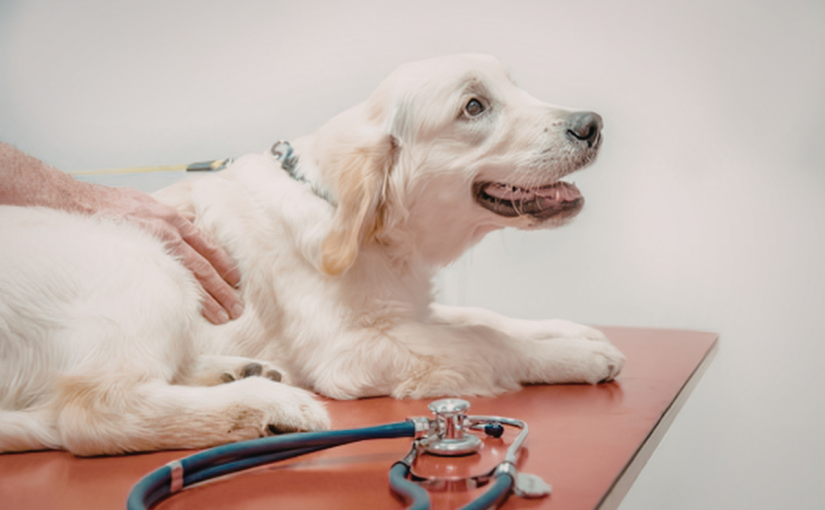
Dog ears flapping

Recurring ear infections in dogs usually happen because a primary trigger is still present even after the infection is treated. Allergies are one of the most common reasons, especially in dogs that also lick their paws, scratch frequently, or have ongoing skin irritation. Moisture trapped after baths or swimming can also create an environment where yeast and bacteria thrive.

Ear shape and hair growth can matter as well. Dogs with floppy ears, narrow canals, or heavy hair inside the ear may trap moisture and debris more easily than other pets. Parasites, foreign material, growths, and underlying skin disorders can also contribute to repeated ear flare-ups.

Why a veterinary diagnosis matters

Because several different problems can look similar from the outside, dog ear infections should not be treated by guesswork. A veterinarian may examine the ear canal with an otoscope, collect samples for cytology, and check whether yeast, bacteria, mites, or significant inflammation are present. If the eardrum cannot be seen clearly or the problem keeps returning, additional testing may be recommended.

This step is important because otitis externa in dogs may require different medications depending on what is found. Some products are chosen for yeast, some for bacteria, and some for mixed infections or severe inflammation. The condition of the eardrum also affects which medications are considered safe.

The role of allergies and skin disease

For many patients, these repeat infections are tied to allergic skin disease. Seasonal triggers, environmental allergens, flea allergy, and food sensitivities can weaken the skin barrier and make the ears more vulnerable to inflammation and infection. That is why a dog may get temporary relief from ear medication but still have the problem return later.

Dogs with recurrent ear problems often show signs in other parts of the body too. Paw licking, skin irritation, chewing at the legs, and chronic itchiness can all point to a broader skin issue. Related reading such as August is Itchy Pet Awareness Month: Why Does My Dog Scratch So Much?, Skin Diseases in Dogs and Summer Heat Flares, and Why Does My Dog Lick So Much? can help pet owners understand how ear disease is often connected to larger skin health concerns.

What owners can do at home

What owners can do at home

Dog ear infection prevention starts with following the treatment plan exactly as prescribed. Because treatment depends on the specific diagnosis, using leftover medication from an earlier episode can miss the real cause or use the wrong product for the current problem.

Routine maintenance may help some dogs, especially those that swim often or have a history of chronic ear trouble. A veterinarian may recommend a safe ear cleaner and a schedule for maintenance cleaning. Dog ear infection prevention also includes drying the ears after swimming or bathing and scheduling recheck visits when recommended.

Owners should avoid inserting cotton swabs deep into the ear canal or using over-the-counter products without veterinary guidance. Even well-meaning home care can worsen irritation if the ear is already inflamed or if the wrong cleaner is used.

When an ear problem becomes urgent

Some ear problems need prompt attention. Dogs that cry out, tilt their head, lose balance, refuse to let the ear be touched, or develop swelling of the ear flap should be seen quickly. Severe inflammation, middle ear involvement, or trauma from constant scratching can make dog ear infections much more complicated.

It is also wise to book an exam if a dog has repeated flare-ups within a short period. These repeat infections are often easier to control before chronic changes narrow the ear canal or make treatment less effective. Early medical care can help protect comfort, hearing, and long-term ear health.

Protecting Ears Between Visits

The best long-term approach to recurring ear infections in dogs is not simply treating each flare-up as it appears. It is identifying why the infections keep returning and building a prevention plan that fits the individual dog. With accurate diagnosis, thoughtful follow-up, and consistent home care, these chronic ear problems can often become far more manageable.
Why Annual Fecal Testing for Pets Matters for Dogs and Cats

Annual fecal testing for pets is one of the simplest ways to look for hidden intestinal parasite problems before they become bigger health issues. Even pets that appear healthy can carry worms or protozoal parasites, which is why veterinarians often recommend this test as part of regular preventive care. For dogs and cats alike, this screening supports earlier treatment, cleaner home environments, and better long-term wellness.

How annual fecal testing for pets checks for hidden parasites

A fecal exam for pets looks at a stool sample for evidence of parasites or parasite byproducts. Depending on the method used, a veterinary team may identify roundworms, hookworms, whipworms, coccidia, Giardia, and other organisms that affect the digestive tract. This test can also help guide follow-up care when diarrhea, weight loss, vomiting, or poor body condition are part of the picture.

This matters because intestinal parasites in pets do not always cause obvious symptoms. Some dogs and cats continue eating, playing, and acting normally while still shedding parasite eggs or cysts into the environment. Stool testing helps catch infections that owners would not be able to identify at home. For pet owners who want to learn more about common warning signs, Signs of Parasites in Dogs and Signs of Parasites in Cats are helpful companion resources.

Why testing still matters when pets look healthy

Puppy

Many families assume stool testing is only needed when a pet has diarrhea. In reality, annual fecal testing for pets is valuable because parasite infections can be silent, intermittent, or easy to miss until they become more advanced. Puppies and kittens are especially vulnerable, but healthy adults still benefit from regular monitoring based on lifestyle and exposure risk.

Outdoor access, dog parks, hunting behavior, shared yards, boarding, and contact with wildlife can all increase exposure. Even indoor cats are not completely exempt, especially if they hunt insects or rodents or live with other pets that go outdoors. A routine parasite screening helps veterinarians match prevention plans to a pet’s actual risk instead of relying on assumptions.

How stool testing supports preventive care


Annual fecal testing for pets does more than confirm whether a pet has worms. It also helps a veterinarian evaluate how well a pet’s parasite prevention plan is working and whether additional treatment or environmental cleanup is needed. When testing is paired with year-round parasite prevention, it becomes a stronger defense against reinfection.

This is also important for household health. Some intestinal parasites can spread in environments shared by people and pets, which makes early detection especially valuable. Identifying problems sooner helps families respond quickly and helps reduce contamination in yards, litter boxes, and common pet areas.

How often pets should be tested

The exact schedule should always be tailored by a veterinarian, but many pets benefit from regular stool testing during routine wellness care. Puppies and kittens often need more frequent testing because they are at higher risk early in life. Adult dogs and cats also need monitoring because exposure continues throughout life.

For many patients, this test becomes part of the wellness visit. In some households, especially those with multiple pets, outdoor access, travel, or previous parasite issues, testing may be recommended more often. Routine testing is most useful when it reflects the pet’s age, environment, and medical history. This makes it a natural fit alongside other preventive services, such as those discussed in Regular Wellness Exams for Dogs and Cats and The Importance of Wellness Bloodwork for Pets.

What pet owners can do between tests

Testing is only one part of parasite control. Pet owners can lower risk by giving preventives consistently, cleaning up stool promptly, and reducing contact with contaminated soil or standing water. Good sanitation in litter boxes, yards, kennels, and play areas also helps limit reinfection.

Owners should also watch for signs such as diarrhea, soft stool, scooting, vomiting, weight loss, or changes in appetite. These signs do not always mean parasites are present, but they do justify a veterinary visit and may prompt stool testing sooner than planned. A fecal exam for pets is especially helpful when digestive signs keep returning.

Keeping Preventive Care on Schedule

When included in regular wellness care, annual fecal testing for pets gives veterinarians useful information that supports timely treatment and better parasite prevention choices. It is a small test with an important role in protecting digestive health, household hygiene, and long-term quality of life. For dogs and cats, this kind of screening remains one of the most practical ways to look for problems early and keep preventive care on track.

Dog Ear Infection: Signs, Causes, and Vet-Approved Prevention

A dog ear infection can start with a little head shaking, then quickly turn into painful inflammation that makes a pet miserable. Because the ear canal is warm and can trap moisture and debris, infections are common, especially in dogs with allergies, floppy ears, or frequent swimming. Early recognition and timely veterinary care help prevent chronic changes to the ear canal and repeated flare ups.

Dog ear infection symptoms to watch for

Canine ear infection symptoms often show up as behavior changes before anything looks dramatic. Common signs include:

  • Head shaking or scratching at one ear

  • Redness, swelling, or heat around the ear opening

  • Odor that was not present before

  • Dark waxy debris, yellow discharge, or crusting

  • Sensitivity when the ear is touched

  • Head tilt, balance issues, or eye movements that seem abnormal

If there is a head tilt, stumbling, severe pain, or sudden hearing loss, the infection may involve deeper structures and should be evaluated the same day.

What causes ear infections in dogs?

Most cases have an underlying factor that changes the ear environment, allowing bacteria or yeast to overgrow. Many infections are classified as otitis externa, meaning inflammation of the outer ear canal.

Moisture and trapped debris

After swimming, bathing, or even heavy rain, water can stay in the canal. That moisture softens the skin, disrupts the normal protective barrier, and creates an ideal setting for yeast and bacteria. Dogs with thick hair in the canal or narrow canals can trap debris more easily.

Allergies and skin disease

Seasonal or year-round allergies often cause itchy skin and increased wax production. When a dog scratches, the skin becomes inflamed and more vulnerable to infection. Allergy driven inflammation is one of the most common reasons ear infections keep coming back, even after they seem to clear up.

Parasites, foreign material, and anatomy

Ear mites in dogs are more common in puppies and in multi-pet households, and they can trigger intense itching and dark debris. Foreign material such as grass awns can also irritate the canal and set off sudden symptoms. Some breeds have ear shapes that reduce air flow, which makes it easier for inflammation and infection to persist.

Safe first steps at home

When a dog ear infection is suspected, the safest home care is supportive care while arranging a veterinary visit. Pet owners can:

  • Prevent additional moisture by keeping the ear dry and avoiding swimming.

  • Stop self trauma by using an e-collar if the dog is scratching enough to cause sores.

  • Wipe only the outer ear flap with a soft cloth if there is visible discharge.

What not to do matters just as much. Cotton swabs can push debris deeper and damage the ear canal. Hydrogen peroxide, alcohol, vinegar mixes, and essential oils can worsen irritation and can be risky if the eardrum is not intact. Leftover ear drops from a prior visit may be the wrong medication for the current infection, especially if ear mites in dogs or resistant bacteria are involved.

How veterinarians diagnose and treat ear infections

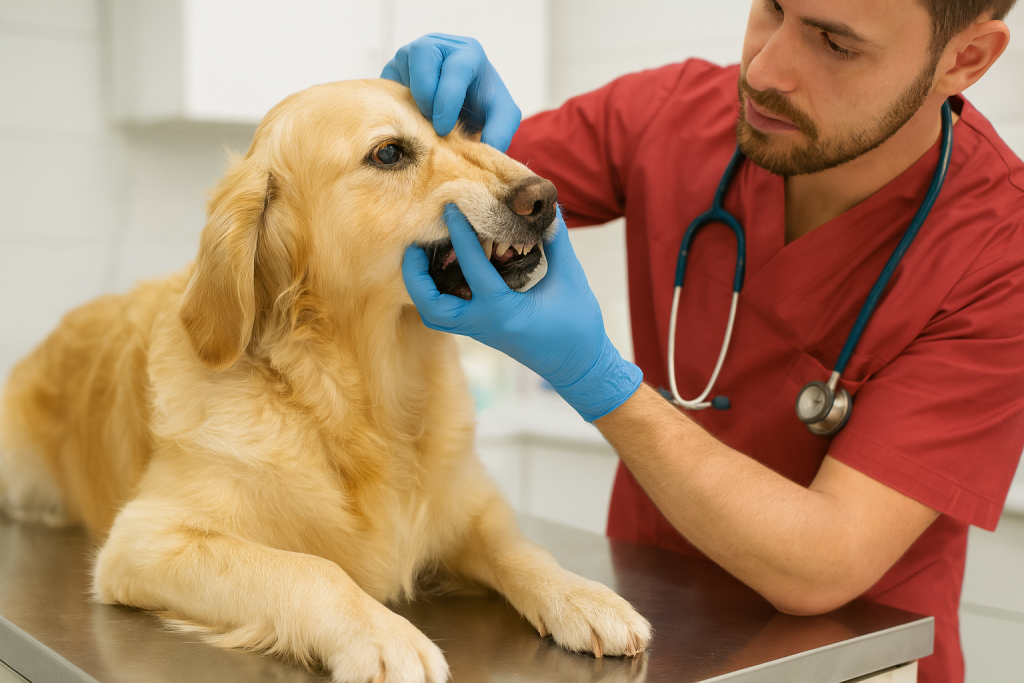
Because different organisms can cause similar looking discharge, a dog ear infection is best treated after an exam. The care team typically checks the ear canal with an otoscope to look for swelling, foreign material, or a ruptured eardrum. A sample of debris may be examined under the microscope, a test called cytology, to identify yeast, bacteria, and inflammatory cells.

Treatment is tailored to what is found. Many cases of otitis externa respond to prescription ear medications that combine an antimicrobial with an anti-inflammatory medication to reduce pain and swelling. Some dogs also need oral medication if the canal is very swollen, the infection is severe, or if the skin elsewhere is flaring at the same time.

Recheck visits are important. Even when a pet seems better, residual organisms and inflammation can remain. Stopping treatment early is a common reason infections return quickly.

Preventing future ear infections

Dog Ear Infection

Prevention focuses on keeping the ear canal healthy and addressing the underlying cause.

  • Have a veterinarian recommend an ear cleaner, and use it only as directed.

  • Dry ears thoroughly after bathing or swimming, using a towel on the outer ear and gentle massage at the base of the ear.

  • Keep hair around the ear opening trimmed so air can circulate.

  • Manage allergies with a long-term plan, which may include diet trials, parasite control, and targeted medications.

  • Schedule prompt rechecks if canine ear infection symptoms return, rather than waiting for a severe flare.

For dogs with frequent recurrences, the veterinary team may recommend culture testing or an allergy workup to reduce repeated courses of medication and ongoing discomfort.

Related reading from All Pets Medical

When an ear problem needs urgent care

A dog ear infection should be treated promptly, but some signs suggest an emergency or a more serious inner-ear problem. Same-day evaluation is recommended if a dog develops a head tilt, loss of balance, vomiting, extreme pain, facial drooping, or symptoms that worsen rapidly. Quick care improves comfort and helps protect hearing, and it also allows the veterinary team to identify the cause and build a prevention plan for the future after a dog ear infection.

Kidney Disease in Cats and the Importance of Early Detection

Kidney disease in cats is one of the most common chronic conditions seen in feline patients, particularly as they age. Because symptoms often develop slowly, kidney disease in cats may go unnoticed until significant damage has already occurred. Early recognition and veterinary monitoring are essential for maintaining comfort, hydration, and quality of life. Since routine screening is often what catches kidney changes early, many cat families benefit from guidance like Regular Wellness Exams for Dogs and Cats, which explains why ongoing preventive care matters.

Understanding how feline kidneys function and what warning signs to watch for allows caregivers to seek timely veterinary care and support long-term feline kidney health.

What Is Kidney Disease in Cats?

Kidney disease in cats occurs when the kidneys lose their ability to filter waste products, regulate fluids, and maintain electrolyte balance. The most common form is chronic kidney disease cats develop gradually over months or years.

Acute kidney injury can occur suddenly, and one important preventable cause is toxin exposure. Many common household medications are dangerous for pets, see Toxic Medication For Pets, and even small amounts can trigger serious illness in cats.

Why Cats Are Prone to Kidney Disease

Cats have unique physiology that makes their kidneys particularly vulnerable over time. Several factors contribute to kidney disease in cats, including:

  • Natural aging of kidney tissue

  • Genetic predisposition in certain breeds

  • Dental disease leading to chronic inflammation

  • High blood pressure

  • Past episodes of dehydration or illness

Chronic oral inflammation can be a hidden contributor to systemic stress. Consistent home dental care and professional dental guidance can support overall wellness, see Oral Hygiene for Cats.

Early Signs of Kidney Disease in Cats

Recognizing early changes is critical, as early intervention can slow disease progression. Cat kidney failure symptoms may be subtle at first and are often mistaken for normal aging.

Common early signs include:

  • Increased thirst and urination

  • Gradual weight loss

  • Decreased appetite

  • Lethargy or reduced activity

  • Dull or unkempt coat

Weight loss is one of the most important red flags to take seriously. If a cat is slimming down without a clear reason, the broader differential is discussed in My Cat Getting Thin, and kidney disease in cats is one of the conditions a veterinarian will consider.

How Veterinarians Diagnose Kidney Disease

Veterinary diagnosis of kidney disease in cats involves a combination of physical examination and laboratory testing. Routine wellness visits are often where early abnormalities are first detected.

Diagnostic tools commonly include:

  • Blood tests to evaluate kidney markers

  • Urinalysis to assess concentration and protein loss

  • Blood pressure measurement

  • Imaging when structural concerns are suspected

Owners who want context on why screening tests matter can review The Importance of Wellness Bloodwork for Pets, which connects routine labs with earlier intervention.

Managing Chronic Kidney Disease in Cats

While chronic kidney disease cannot be cured, it can often be managed effectively with proper veterinary care. Treatment goals focus on slowing progression, managing symptoms, and maintaining hydration and nutrition.

Dietary Management

Prescription renal diets are a cornerstone of treatment. These diets support feline kidney health by:

  • Reducing phosphorus levels

  • Providing high-quality, digestible protein

  • Supporting electrolyte balance

Veterinarians guide dietary transitions to support appetite and adequate calorie intake while meeting kidney-friendly nutrition goals.

Hydration Support

Dehydration accelerates kidney damage. Management strategies may include:

  • Encouraging increased water intake

  • Feeding canned or moisture-rich foods

  • Administering subcutaneous fluids when needed

Hydration is beneficial for all pets, but it becomes especially important with kidney disease in cats. General hydration strategies and signs to watch for are reviewed in National Pet Hydration Awareness Month, and a veterinarian can tailor those ideas to an individual cat’s medical needs.

Medication and Monitoring

Depending on disease stage, veterinarians may prescribe medications to control blood pressure, manage nausea, or reduce protein loss in urine. Regular monitoring allows treatment plans to evolve as the disease progresses, and it helps families make informed decisions at each stage.

Supporting Quality of Life Through Compassionate Care

With early detection and ongoing veterinary support, many cats with kidney disease continue to live comfortable and fulfilling lives. Thoughtful management, regular checkups, and attentive home care help preserve dignity and well-being throughout each stage of kidney disease in cats.

Understanding Pet Separation Anxiety and How Veterinarians Can Help

What Is Pet Separation Anxiety?

Pet separation anxiety occurs when an animal experiences excessive stress or panic when separated from a primary caregiver or household. This anxiety is not a discipline issue or stubborn behavior. It is a genuine emotional response that can worsen over time if left unaddressed.

Pets experiencing chronic stress may also show flare-ups in other conditions. For example, ongoing stress can worsen itching in allergy-prone pets, see Pets With Allergies, and it can increase sensitivity to discomfort in pets with chronic pain, see Treating Arthritis In Dogs.

Why Some Pets Develop Separation Anxiety

There is rarely a single cause behind pet separation anxiety. Instead, it often develops from a combination of emotional, environmental, and developmental factors.

Common contributing factors include:

  • Sudden changes in routine, such as new work schedules or household members

  • Adoption history, especially pets from shelters or rehoming situations

  • Loss of a companion animal or family member

  • Lack of early independence training during puppy or kitten development

  • Underlying medical conditions that increase stress sensitivity

Veterinary evaluation is important because pain, hormonal imbalances, or neurological conditions can worsen pet anxiety symptoms and must be ruled out. This is one reason routine preventive visits matter, see Regular Wellness Exams for Dogs and Cats.

Common Signs of Pet Separation Anxiety

Recognizing pet anxiety symptoms early allows for more effective intervention. Signs may occur shortly before departure, during absence, or immediately after the caregiver returns.

Behavioral Signs in Dogs

Dog barking

Dog separation anxiety commonly presents with noticeable behaviors such as:

  • Excessive barking, whining, or howling

  • Destructive chewing or scratching near doors and windows

  • Pacing or restlessness

  • Attempts to escape confinement

  • House soiling despite being fully trained

These behaviors can be misread as spite or stubbornness. Sometimes owners also notice stress behaviors that look medical at first glance, such as repetitive licking, which is why it helps to review patterns with a veterinarian, see Why Does My Dog Lick So Much?.

Behavioral Signs in Cats

Cat Anxiety

Cat separation anxiety may include:

  • Excessive vocalization when alone

  • Litter box avoidance

  • Overgrooming or hair loss

  • Loss of appetite when owners are away

  • Clingy behavior upon return

Subtle appetite changes can be especially confusing, because stress, nausea, dental discomfort, and food preferences can overlap. If appetite changes are part of the picture, a helpful comparison is What If My Cat’s a Picky Eater?.

How Veterinarians Diagnose Pet Separation Anxiety

A veterinary visit is an essential first step when addressing pet separation anxiety. Veterinarians assess both behavioral history and physical health to ensure symptoms are not caused or worsened by medical conditions.

Diagnostic evaluation may include:

  • Full physical examination

  • Review of daily routines and environmental triggers

  • Discussion of behavior timing and frequency

  • Screening for pain, gastrointestinal issues, or endocrine disorders

If a veterinarian suspects an internal cause for behavior changes, they may recommend baseline lab work. For pet owners who want to understand what those results mean, The Chemistry Panel in Dogs and Cats offers a helpful overview.

Veterinary-Guided Treatment Options

Managing pet separation anxiety typically requires a multi-layered approach rather than a single solution. Treatment plans are individualized based on severity, species, and household dynamics.

Behavior Modification Strategies

Veterinarians often recommend gradual desensitization techniques, including:

  • Short practice departures that slowly increase in duration

  • Neutralizing departure cues such as keys or shoes

  • Teaching calm independence through structured routines

In dogs, daily movement and structured sniffing and exploring can reduce baseline anxiety and improve coping. The mental enrichment value of walks is explained well in You Aren’t Just Walking Your Dog — You’re Stimulating his Mental Health.

Environmental Enrichment

Mental stimulation helps reduce stress and boredom associated with separation. Helpful tools include:

  • Food puzzle toys

  • Safe chew items for dogs

  • Window perches or interactive toys for cats

Enrichment is not limited to dogs and cats. Many enrichment principles used for other species apply here too, see Environmental Enrichment for Birds, and adapt them to a safe, pet-appropriate routine.

Medical Support When Needed

In moderate to severe cases, veterinarians may prescribe anti-anxiety medications as part of a comprehensive plan. Medication does not replace training, but it can help stabilize emotional responses while behavior modification is implemented.

Supporting Emotional Security at Home

Long-term management of pet separation anxiety focuses on building confidence, predictability, and trust. With proper veterinary guidance, many pets show meaningful improvement and regain emotional stability when left alone. Addressing pet separation anxiety early supports a healthier bond and a more peaceful home environment.

Indoor Air Quality and Your Pet’s Health: Keeping Your Home Safe This Winter

As families spend more time indoors during colder months, maintaining good indoor air quality for pets becomes essential. Just like people, pets are sensitive to changes in their environment, and poor air can affect their health, especially in winter, when homes are sealed against the cold and fresh air is limited. Understanding the risks and taking practical steps helps ensure your home is a safe and healthy space for every member of your family.

Why Indoor Air Quality for Pets Matters

Pets breathe the same air as humans, but they often spend more time close to the floor where dust, chemicals, and allergens settle. Their respiratory systems can be just as sensitive, or even more so, than ours. Good indoor air quality for pets supports respiratory health, reduces allergy risks, and can help prevent the worsening of chronic conditions, especially in senior animals or those with asthma.

Because pets can’t leave the house to escape pollutants, it’s up to owners to be proactive about keeping the air inside as clean as possible.

Common Winter Sources of Indoor Air Pollution

Winter brings several unique challenges that can affect indoor air quality for pets:

  • Heating systems: Furnaces and space heaters can circulate dust, dander, and mold if filters aren’t changed regularly.

  • Fireplaces and candles: Wood smoke, scented candles, and air fresheners release particles and chemicals that irritate pet airways.

  • Closed windows: Less ventilation means airborne contaminants, like cooking fumes, cleaning chemicals, and pet odors.

  • Dry air: Heated air is often dry, which can worsen respiratory symptoms in both pets and people.

  • Cleaning products: Many household cleaners contain chemicals that linger in the air and are harmful to animals.

Being aware of these winter pet health risks is the first step toward prevention.

How Poor Air Quality Impacts Pet Health

Pets exposed to poor air quality may develop a range of symptoms, including:

  • Coughing, sneezing, or nasal discharge

  • Watery or irritated eyes

  • Increased scratching or skin irritation

  • Lethargy or decreased activity

  • Worsening of chronic conditions like asthma or bronchitis

Small pets, birds, and brachycephalic breeds (like Bulldogs or Persian cats) are especially vulnerable to air pollution and pets with pre-existing respiratory issues may experience more severe symptoms. If you notice changes in your pet’s breathing, energy, or comfort, consult your veterinarian promptly.

Simple Steps to Improve Indoor Air Quality for Pets

There are several practical ways to maintain a safe home environment for pets all winter:

  • Change HVAC filters regularly: Use high-quality, pet-friendly filters and replace them according to the manufacturer’s instructions.

  • Ventilate when possible: Open windows for a few minutes daily to bring in fresh air, especially during cleaning or cooking.

  • Use air purifiers: Choose units with HEPA filters to capture allergens and pet dander.

  • Limit candles and scented products: Opt for unscented or pet-safe options, and avoid burning wood or incense indoors.

  • Keep floors and bedding clean: Vacuum with a HEPA filter and wash pet bedding often to reduce dust and allergens.

  • Choose safer cleaning products: Look for non-toxic, pet-safe cleaners to minimize chemical residue in the air.

  • Maintain healthy humidity: Use a humidifier if needed, but clean it regularly to prevent mold growth.

These steps help create a safe home environment for pets and people alike, especially in the winter months.

Creating a Safe Home Environment for Every Season

While winter brings unique air quality challenges, these habits are valuable year-round. Keeping indoor air quality for pets a priority supports better breathing, fewer allergies, and a healthier household for everyone. As you adjust your home for colder weather, review other pet safety tips like avoiding toxic plants, securing medications, and minimizing access to harmful foods. For more guidance, see our articles on Keep Exotic Pet Safe from Household Toxins and Christmas-Specific Poisons for Both Cats and Dogs .

Supporting Your Pet’s Health All Winter Long

Setting Healthy Habits: New Year’s Resolutions for You and Your Pet

The start of a new year is the perfect opportunity to focus on healthy habits for pets and their owners. Just as people set resolutions to improve their well-being, pets benefit from positive changes and routines that support a long, healthy life. By setting simple, achievable pet wellness resolutions, you can boost the quality of life for everyone in your home.

Why Healthy Habits for Pets and People Matter

Daily routines play a big role in health for pets. Consistent care helps prevent illness, strengthens the bond you share, and creates structure your pet can rely on. Developing healthy habits for pets also makes it easier to spot changes in behavior, appetite, or energy that may signal a medical concern.

Wellness routines are about more than physical health. They support emotional well-being, reduce stress, and provide enrichment throughout the year.

Top Pet Wellness Resolutions for the New Year

healthy habits for pets kitten

If you are looking for New Year pet health tips, consider these practical goals for your pet and yourself:

  • Schedule regular veterinary checkups: Annual exams and wellness bloodwork help catch health problems early. For more, see The Importance of Wellness Bloodwork for Pets .

  • Update vaccinations and parasite prevention: Stay current with recommended vaccines and use year-round prevention for fleas, ticks, and heartworm.

  • Focus on nutrition: Feed a balanced diet appropriate for your pet’s age, species, and health needs. Avoid giving too many treats or table scraps.

  • Increase daily exercise: Add an extra walk, play session, or interactive toy to your routine. Exercise supports a healthy weight and reduces anxiety.

  • Practice dental care: Brush your pet’s teeth or provide veterinary-recommended dental chews. Good oral hygiene prevents discomfort and illness. Find more guidance in The Importance of Dental Care for Cats and The Importance of Dental Care for Dogs .

Setting these pet wellness resolutions at the start of the year can create lasting benefits for your whole family.

Building Routines with Pets for Lasting Results

Consistency is the key to building routines with pets. Choose a schedule that fits your lifestyle, and stick to it as closely as possible. Pets thrive on predictability—regular mealtimes, walks, and play help them feel secure.

  • Start small: Make gradual changes rather than trying to overhaul everything at once.

  • Track progress: Use a calendar or app to log exercise, training, or health care tasks.

  • Involve the whole family: Assign responsibilities so everyone participates in pet care.

Over time, these habits become second nature, leading to improved physical and mental health for your pets and yourself.

Supporting Physical and Mental Health at Home

Healthy habits for pets go beyond exercise and diet. Mental stimulation and emotional support are just as important, especially during colder months or after holiday routines shift.

  • Enrichment activities: Rotate toys, introduce food puzzles, or teach new tricks to keep pets engaged.

  • Socialization: Provide positive interactions with other pets and people when possible.

  • Safe spaces: Make sure pets have quiet, comfortable areas to rest and recover from activity or excitement.

Pets of all ages benefit from activities that challenge their minds and allow them to express natural behaviors.

Simple Tips to Keep Your Resolutions on Track

Maintaining New Year pet health routines can be challenging, but small steps make a big impact:

  • Set realistic goals and celebrate progress, not perfection.

  • Adjust your plan as you learn what works best for your pet.

  • Seek advice from your veterinary team if you have questions about diet, exercise, or behavior.

Remember, even minor improvements can lead to healthier, happier pets throughout the year.

Celebrating New Beginnings with Your Pet

The new year is a time for fresh starts and renewed commitment to your pet’s well-being. By setting and maintaining healthy habits for pets, you’re not only supporting their physical health but also building a stronger, more rewarding bond. Every positive change counts, and your pet will appreciate the love and care you bring into every day.

Cognitive Dysfunction Syndrome in Senior Dogs and Cats: Signs, Diagnosis, and Care

As pets live longer, their needs in later years become increasingly important. One concern that affects many aging dogs and cats is cognitive dysfunction syndrome in pets. This condition, sometimes called pet dementia, impacts memory, awareness, and behavior. Understanding the signs, diagnosis, and support strategies can help pet owners provide the best possible care for their senior companions.

What Is Cognitive Dysfunction Syndrome in Pets?

Cognitive Dysfunction Syndrome (CDS) is a progressive neurodegenerative disorder in older dogs and cats. It is similar to Alzheimer’s disease in humans and leads to gradual loss of cognitive function. CDS is not a normal part of aging, though it becomes more common in senior pets. The exact cause is not fully understood, but changes in the brain, such as the buildup of abnormal proteins and oxidative damage, play a role.

Early Signs of Cognitive Dysfunction in Senior Dogs and Cats

Recognizing the signs of pet dementia early can make a significant difference in your pet’s quality of life. Symptoms often develop slowly and may be mistaken for normal aging. Common signs include:

  • Disorientation: Pets may get lost in familiar areas or appear confused.

  • Altered interactions: Changes in how pets relate to people or other animals, such as decreased interest or increased clinginess.

  • Sleep-wake changes: Restlessness at night, increased daytime sleeping, or vocalizing overnight.

  • House soiling: Senior pets may forget previously learned house-training or litter habits.

  • Changes in activity: Loss of interest in play, decreased exploration, or repetitive behaviors.

  • Anxiety or irritability: Increased agitation, barking, or meowing for no clear reason.

Common Behavioral Changes in Dogs vs. Cats

Senior dog dementia may present as pacing, staring into space, or barking at nothing. Cat cognitive dysfunction often appears as vocalizing at night, aimless wandering, or decreased grooming. These differences highlight the need to observe each pet’s unique behavior and routines.

Diagnosis: How Vets Identify CDS

Veterinarians diagnose cognitive dysfunction syndrome in pets based on history, clinical signs, and by ruling out other medical problems that can cause similar changes. Your veterinarian may ask detailed questions about your pet’s daily habits and perform a physical and neurological exam. Laboratory tests or imaging may be recommended to rule out conditions like arthritis, kidney disease, vision loss, or pain, which can also affect behavior.

If CDS is diagnosed, early intervention can help slow its progression and improve comfort.

Support Strategies and Daily Care for Pets with Dementia

While there is no cure for cognitive dysfunction syndrome in pets, several strategies can help maintain your pet’s quality of life:

  • Routine and predictability: Keeping a consistent schedule for feeding, walks, and play helps reduce anxiety and confusion.

  • Environmental enrichment: Provide stimulating toys, gentle exercise, and safe opportunities for exploration. Puzzle feeders and interactive games can help keep the brain active.

  • Safe environment: Block off stairs, pools, or other hazards if your pet becomes disoriented.

  • Patience and positive reinforcement: Use gentle reminders for house training or litter box use and avoid punishment.

  • Monitor diet: Some veterinary diets and supplements, such as antioxidants and omega-3 fatty acids, may support brain health. Always consult your veterinarian before adding supplements.

Medical Treatments and Supplements

Veterinarians may prescribe medications that can improve symptoms or slow the progression of senior dog dementia or cat cognitive dysfunction. These treatments can help increase alertness and manage anxiety. Discuss all available options with your veterinary team to determine the best plan for your pet.

The Importance of Routine and Monitoring

Keep a diary of your pet’s behaviors, sleep patterns, and appetite changes. This record helps track symptoms and gives your veterinarian valuable information for ongoing management.

When to Consult Your Veterinarian About Cognitive Changes

It’s important to contact your veterinarian if you notice any new or worsening changes in your pet’s behavior, memory, or house habits. Early veterinary assessment helps rule out other medical causes and enables prompt support for cognitive dysfunction syndrome in pets.

Supporting Quality of Life for Senior Pets with CDS

With patience, understanding, and veterinary partnership, many pets with CDS can enjoy their senior years in comfort. By learning the signs of pet dementia and providing supportive care, owners play a vital role in helping dogs and cats live happier, more fulfilled lives as they age.

Cat Dental Care: Essential Tips for a Healthy Feline Smile

Dental health is often overlooked in cats, yet it plays a major role in their overall well-being. Proper cat dental care helps prevent pain, infection, and systemic diseases that can affect the heart, kidneys, and liver. Understanding how to maintain your cat’s oral hygiene can improve both their quality of life and longevity.

Why Feline Oral Health Matters

Just like humans, cats can develop plaque and tartar buildup on their teeth. If untreated, this can progress to dental disease in cats, a common condition that affects a large percentage of adult felines. Dental disease often begins with gingivitis, which causes red and inflamed gums, and can advance to periodontitis, where infection damages the tissues supporting the teeth.

Poor feline oral health doesn’t just cause bad breath or tooth loss. Bacteria from the mouth can enter the bloodstream, leading to more serious health complications. Regular dental care helps reduce these risks and supports your cat’s overall systemic health.

Signs Your Cat May Have Dental Problems

Cats are experts at hiding discomfort, so early dental issues can go unnoticed. Pet owners should watch for subtle changes such as:

  • Bad breath that persists even after eating

  • Drooling or pawing at the mouth

  • Reluctance to eat dry food or chewing on one side

  • Visible tartar buildup or bleeding gums

  • Behavioral changes like irritability or withdrawal

If any of these signs are present, a veterinary dental evaluation is recommended to assess your cat’s oral condition.

How to Maintain Your Cat’s Teeth at Home

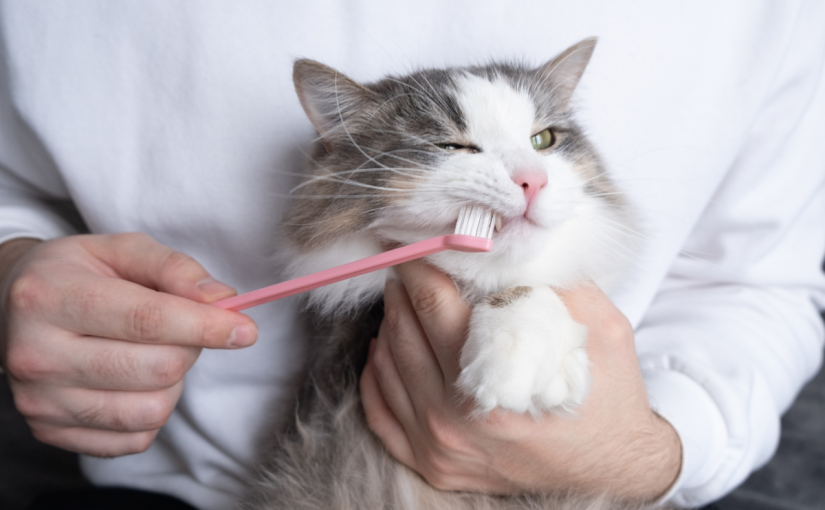
Routine cat teeth cleaning at home is a key part of preventive dental care. While brushing a cat’s teeth may sound challenging, with patience and proper training it can become part of their routine. Use a pet-safe toothbrush and veterinary-approved toothpaste specifically formulated for cats.

In addition to brushing, pet owners can:

  • Offer dental treats or chews designed to reduce plaque

  • Use oral rinses or water additives approved by veterinarians

  • Choose dental diets with a texture that helps mechanically clean teeth

Always consult your veterinarian before starting a new dental product or home care method.

Professional Dental Cleanings and Veterinary Checkups

Even with diligent home care, professional cleanings are essential for optimal cat dental care. Veterinary dental cleanings allow for the removal of plaque and tartar below the gum line where brushing cannot reach. These cleanings are performed under anesthesia to ensure your cat’s comfort and safety.

Your veterinarian will also examine the mouth for signs of infection, loose teeth, or resorptive lesions, a common condition in cats that can be painful and difficult to detect without dental X-rays.

Preventing Dental Disease in Cats

The best way to prevent dental disease in cats is through a combination of professional and home care. Schedule regular dental exams as part of your cat’s wellness visits. Begin home dental care early, ideally when your cat is a kitten, to help them adjust to brushing and handling around the mouth.

Maintaining consistent feline oral health habits can prevent painful dental conditions and keep your cat’s teeth and gums healthy for years to come.

Lifelong Benefits of Good Cat Dental Care

Investing in regular cat dental care not only ensures a healthier mouth but also contributes to a longer, happier life. Cats with clean teeth and healthy gums are more likely to eat comfortably, play actively, and avoid the systemic health issues linked to chronic oral infections.

By prioritizing your cat’s dental health through routine care, professional cleanings, and early intervention, you provide them with the foundation for lifelong wellness and comfort.

The Importance of Dental Care for Dogs: How Oral Health Affects Overall Wellness

Dental Care for dogs

Maintaining good dental care for dogs is a vital part of responsible pet ownership. Just like humans, dogs are prone to plaque, tartar, and gum disease, which can lead to pain, infection, and even damage to other organs. Veterinary studies consistently show that oral health is closely linked to a dog’s overall wellness. When bacteria from the mouth spread through the bloodstream, they can affect the heart, kidneys, and liver, increasing the risk of serious illness.

Dental care should be a lifelong commitment that begins early and continues through every stage of a dog’s life.

How Dental Disease Develops in Dogs

Dental problems in dogs progress through several stages, often beginning unnoticed. After eating, bacteria in the mouth form a sticky layer of plaque on the teeth. If plaque is not brushed away, it hardens into tartar. This buildup irritates the gums, leading to gingivitis, the first stage of periodontal disease. For a detailed overview of how plaque forms and can be managed, see Oral Hygiene for Dogs.

As the condition advances, bacteria move beneath the gumline, destroying tissues and bone that support the teeth. Teeth may loosen, causing discomfort and difficulty eating. The pain often goes unrecognized because dogs instinctively hide weakness, but the damage continues silently.

The Connection Between Oral Health and Systemic Wellness

Healthy gums and teeth play an essential role in protecting a dog’s internal systems. When gum tissues are inflamed, bacteria can enter the bloodstream and circulate through the body. This process can contribute to heart inflammation and valve disease, as explained in National American Heart Month: How to Keep Your Pet’s Heart Healthy. Chronic oral infection can also cause strain on the kidneys and liver, further emphasizing why dog oral health should never be ignored.

By prioritizing oral care, pet owners reduce the likelihood of these systemic problems and help their dogs maintain energy, appetite, and comfort.

Recognizing the Warning Signs of Dental Trouble

Early detection is key to preventing advanced periodontal disease. Pet owners should watch for:

  • Persistent bad breath
  • Red or swollen gums
  • Yellow or brown tartar buildup
  • Dropping food or chewing on one side
  • Pawing at the mouth or excessive drooling
  • Bleeding when chewing toys
  • Reluctance to eat dry food

Any of these symptoms warrant a prompt veterinary examination.

Home Care for a Healthier Mouth

Daily home care plays an important role in effective dental care for dogs. The most reliable method is regular brushing with a soft toothbrush and veterinary-formulated toothpaste. Never use human toothpaste, as it can be toxic to pets.

Dental chews and specialized diets can help reduce plaque accumulation. Look for products approved by the Veterinary Oral Health Council (VOHC). For detailed tips on selecting safe dental chews and brushing routines, visit Dental Health Month: Tips for Keeping Your Dog’s Teeth Clean.

Water additives or oral rinses can also support dog oral health, though they should complement brushing rather than replace it. Owners should also check their dog’s mouth weekly for signs of redness, odor, or buildup to catch issues early.

The Role of Professional Veterinary Dental Care for Dogs

Even with consistent home care, professional evaluations remain essential. A professional dental cleaning performed by a veterinarian includes:

  • A full oral and radiographic examination under anesthesia
  • Scaling and polishing above and below the gumline
  • Extractions of damaged or infected teeth if needed

These cleanings remove hardened tartar that brushing cannot reach and allow for a complete assessment of oral health. Most dogs benefit from annual cleanings, while smaller breeds or those with prior dental disease may require more frequent visits.

Dogs at Higher Risk for Dental Disease

Certain dogs are more susceptible to oral issues. Small breeds such as Chihuahuas, Toy Poodles, and Yorkies often have crowded teeth that trap food and bacteria. Brachycephalic breeds like Bulldogs and Pugs also face increased risk due to their jaw structure. Older dogs naturally experience more wear and tear, making them more vulnerable to gum recession and infection.

Regular dental evaluations tailored to a dog’s risk factors can prevent painful and costly complications later in life.

Long-Term Benefits of Healthy Oral Habits

Consistent dental care for dogs offers clear, measurable benefits. Clean teeth reduce pain and infection, improve chewing comfort, and enhance overall quality of life. Healthy gums lower the risk of systemic disease and may even extend longevity. For more insights on the benefits of preventive care, see Regular Wellness Exams for Dogs and Cats.

Investing in preventive dental care for dogs is one of the most effective ways to ensure lasting wellness and happiness for every canine companion.